AM101Money guides
Clear answers for real money decisions.
Each guide starts with one question — a trust, a tax bill, a credit score — and explains what it means for your money, in plain English.

Showing 24 of 441 guides

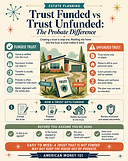
Trust Funded vs. Trust Unfunded: The Probate Difference
Creating a trust is only the first step in estate planning. To ensure your home and other assets avoid probate, you must actually fund the trust by retitling those assets into the trust's name. Learn the difference between a funded and unfunded trust, and the steps required to properly fund your trust.
Jul 9, 2026
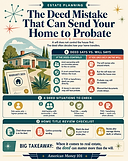
The Deed Mistake That Can Send Your Home to Probate
Many homeowners mistakenly believe that a will is enough to keep their house out of probate. In reality, the deed often controls how your home transfers after you pass away. Learn how different types of deeds work, why relying solely on a will can cause delays, and what steps you can take to ensure your property passes smoothly to your heirs.
Jul 9, 2026
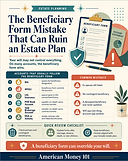
The Beneficiary Form Mistake That Can Ruin an Estate Plan
You might think your will controls who gets your money when you die, but for many of your most valuable assets, beneficiary forms actually call the shots. Learn which accounts bypass your will, common mistakes to avoid, and how to keep your estate plan on track.
Jul 9, 2026
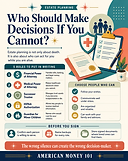
Who Should Make Decisions If You Cannot? 5 Estate Planning Roles to Put in Writing
Estate planning isn't just about what happens after you die; it's also about protecting yourself while you're alive. Learn about the five key roles you need to put in writing—including financial and medical powers of attorney, successor trustees, HIPAA authorizations, and guardians for minor children—and how to choose the right people for the job.
Jul 9, 2026
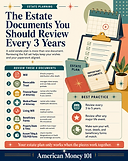
The 8 Estate Planning Documents You Need to Review Every 3 Years
Setting up an estate plan is a major financial milestone, but it requires regular maintenance. Learn which eight essential estate documents you need to review every three to five years to ensure your assets, healthcare wishes, and family are protected.
Jul 9, 2026
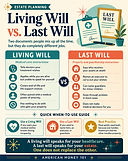
Living Will vs. Last Will: What's the Difference?
A living will and a last will are two essential estate planning documents that serve completely different purposes. A living will outlines your medical care preferences if you become incapacitated, while a last will dictates how your property is distributed and who cares for your minor children after you pass away. Understanding the distinction is crucial for a complete estate plan.
Jul 9, 2026
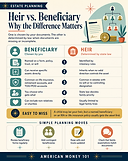
Heir vs. Beneficiary: Why the Difference Matters for Your Estate
Understanding the difference between an heir and a beneficiary is crucial for estate planning. While you choose your beneficiaries through legal documents, state law determines your heirs if those documents are missing or incomplete. Learn how these designations work and why keeping your paperwork updated ensures your assets go exactly where you want them.
Jul 9, 2026
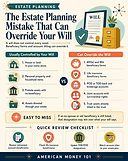
The Estate Planning Mistake That Can Override Your Will
Many people assume their last will and testament controls all their assets after they pass away. However, beneficiary designations on retirement accounts, life insurance policies, and certain bank accounts can actually override what your will says. Learn the difference between probate and non-probate assets, and why keeping your beneficiary forms updated is a crucial part of estate planning.
Jul 9, 2026
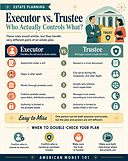
Executor vs. Trustee: Who Actually Controls What?
When setting up an estate plan, you might hear the terms "executor" and "trustee" used frequently. While both roles involve managing and distributing assets, they handle very different parts of an estate plan. This guide breaks down the key differences between an executor and a trustee, what each role entails, and why it is crucial to understand who controls what when planning for the future.
Jul 9, 2026
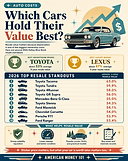
Which Cars Hold Their Value Best? Understanding Depreciation and Resale Value
Depreciation is one of the biggest hidden costs of owning a car. This guide explains how car depreciation works, which 2026 models hold their value best according to Kelley Blue Book, and what you can do to maximize your vehicle's resale value when it's time to sell or trade it in.
Jul 9, 2026
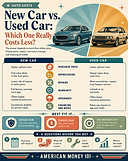
New Car vs. Used Car: Which One Really Costs Less?
Deciding between a new and used car involves more than just the sticker price. This guide breaks down the true costs of ownership, including depreciation, repairs, warranties, insurance, and financing, to help you make the smartest financial choice for your situation.
Jul 9, 2026
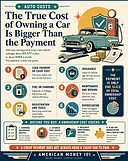
The True Cost of Owning a Car Is Bigger Than the Payment
When you buy a car, the monthly loan payment is just the beginning. Learn about the hidden costs of car ownership, from insurance and maintenance to depreciation, and how to budget for the true price of driving.
Jul 9, 2026
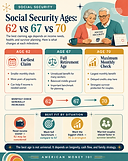
Social Security Ages: 62 vs 67 vs 70
Deciding when to claim Social Security is one of the most important retirement choices you will make. This guide breaks down the differences between claiming at age 62, 67, and 70, explaining how your age impacts your monthly check, survivor benefits, and overall retirement strategy.
Jul 9, 2026
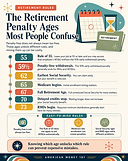
The Retirement Penalty Ages Most People Confuse
Retirement planning involves a maze of different ages that trigger various rules, penalties, and benefits. This guide breaks down the key milestones—from the Rule of 55 to age 73 for Required Minimum Distributions (RMDs)—so you can avoid costly mistakes and make the most of your retirement savings.
Jul 9, 2026
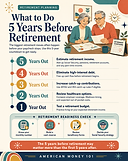
What to Do 5 Years Before Retirement
The five years before you retire are critical for setting up a smooth transition. This guide breaks down a year-by-year countdown to help you estimate income, eliminate debt, maximize savings, plan for healthcare, and test your retirement budget.
Jul 9, 2026
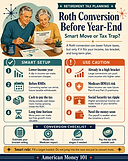
Roth Conversion Before Year-End: Smart Move or Tax Trap?
A Roth conversion can lower future taxes, but only if it fits your income, tax bracket, and long-term plan. Learn when a Roth conversion makes sense, when to use caution, and how to plan your conversion strategy.
Jul 9, 2026
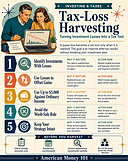
Tax-Loss Harvesting: Turning Investment Losses Into a Tax Tool
Learn how to turn investment losses into a tax advantage. This guide explains how tax-loss harvesting works, including offsetting capital gains, reducing ordinary income, and navigating the wash-sale rule.
Jul 9, 2026
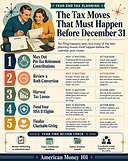
The Tax Moves That Must Happen Before December 31
Tax filing happens in the spring, but many of the most effective tax planning strategies must be executed before the calendar year closes. Learn five key moves to consider before December 31, from maximizing retirement contributions to harvesting tax losses.
Jul 9, 2026
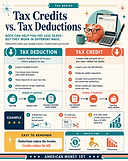
Tax Credits vs. Tax Deductions: How They Work and Which Saves You More
Both tax credits and tax deductions can help you pay less in taxes, but they work in fundamentally different ways. Deductions lower your taxable income, while credits lower your actual tax bill dollar for dollar. Learn how to maximize both to keep more of your hard-earned money.
Jul 9, 2026
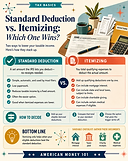
Standard Deduction vs. Itemizing: Which One Wins?
When filing your taxes, you have two main ways to lower your taxable income: taking the standard deduction or itemizing your deductions. This guide explains the difference between the two methods, what expenses qualify for itemizing, and how to decide which option will save you the most money on your tax bill.
Jul 9, 2026
Your Tax Bracket Is Not What You Think It Is
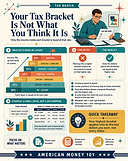
A common misconception is that moving into a higher tax bracket means all your income is taxed at that higher rate. In reality, the U.S. uses a progressive tax system where income is taxed in layers. This article explains how marginal and effective tax rates work, using a simple example to show why a raise won't cause your entire income to be taxed at your top rate.
Jul 9, 2026
The Medicare IRMAA Trap Retirees Miss
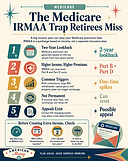
A big income year can raise your Medicare premiums later. Learn how the Income-Related Monthly Adjustment Amount (IRMAA) works, what triggers it, and how you can appeal or avoid surprise surcharges.
Jul 9, 2026
How Social Security Becomes Taxable in Retirement
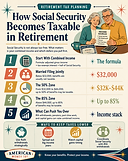
Many retirees are surprised to learn that their Social Security benefits can be subject to federal income tax. Whether you owe taxes on your benefits depends on your "combined income," a specific IRS formula that includes half of your Social Security plus other income sources. This guide explains the thresholds for married couples filing jointly, what pushes you into the 50% or 85% taxable zones, and strategies to help manage your tax bill in retirement.
Jul 9, 2026
The Retirement Withdrawal Order That Can Lower Taxes
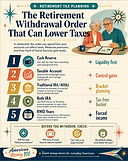
When you retire, the order in which you withdraw money from your various accounts can have a major impact on your taxes, Medicare premiums, and how much of your Social Security benefits are taxed. This guide explains a common, tax-efficient withdrawal sequence—starting with cash reserves and taxable accounts, moving to tax-deferred accounts, and saving Roth accounts for last—while highlighting key questions to ask before you make a move.
Jul 9, 2026