When you sit down to plan your estate, you might assume that writing a will is the final word on who gets your house. It is a common misconception that a will automatically bypasses the legal system. The truth is, when it comes to real estate, the deed often matters more than the will. If your deed and your will do not align, your family could end up facing the very probate process you hoped to avoid.
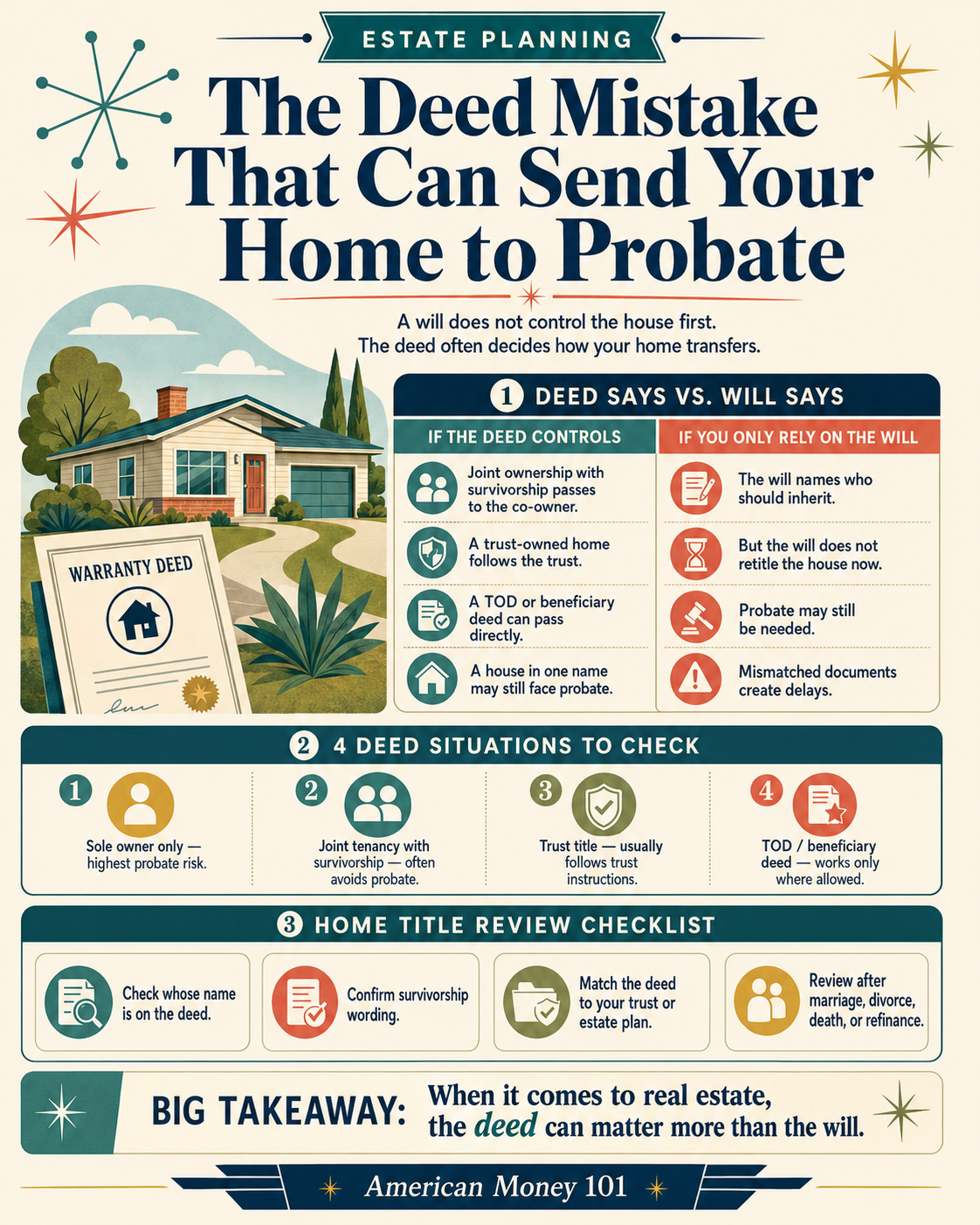
Deed Says vs. Will Says
A will is a set of instructions, but it does not automatically retitle your property. If you only rely on a will, it names who should inherit, but probate may still be needed to legally transfer the title. Mismatched documents create delays and confusion. On the other hand, if the deed controls the transfer, the process can be much smoother. Here is how different deed types handle the transfer:
- Joint ownership with survivorship: The property passes directly to the surviving co-owner.
- A trust-owned home: The property follows the instructions laid out in the trust.
- A TOD or beneficiary deed: The property can pass directly to the named beneficiary without probate.
- A house in one name: This situation may still face probate, even with a will.
4 Deed Situations to Check
To understand your probate risk, you need to know exactly how your property is titled. Here are four common deed situations:
- Sole owner only: This carries the highest probate risk. If you are the only person on the deed, the property will likely have to go through probate to be transferred to your heirs, regardless of what your will says.
- Joint tenancy with survivorship: This often avoids probate. When one owner dies, the surviving owner automatically absorbs their share of the property.
- Trust title: If your home is owned by a living trust, the transfer usually follows the trust instructions, bypassing probate.
- TOD / beneficiary deed: A Transfer on Death deed allows you to name a beneficiary who will inherit the property directly. However, this option only works where allowed by state law.
Home Title Review Checklist
Estate planning is not a set-it-and-forget-it task. Life changes, and your documents need to keep up. Use this checklist to ensure your home's title is in order:
- Check whose name is on the deed: Do not assume you know; verify the actual document recorded with your county.
- Confirm survivorship wording: If you co-own the home, make sure the deed explicitly states "right of survivorship" if that is your intention.
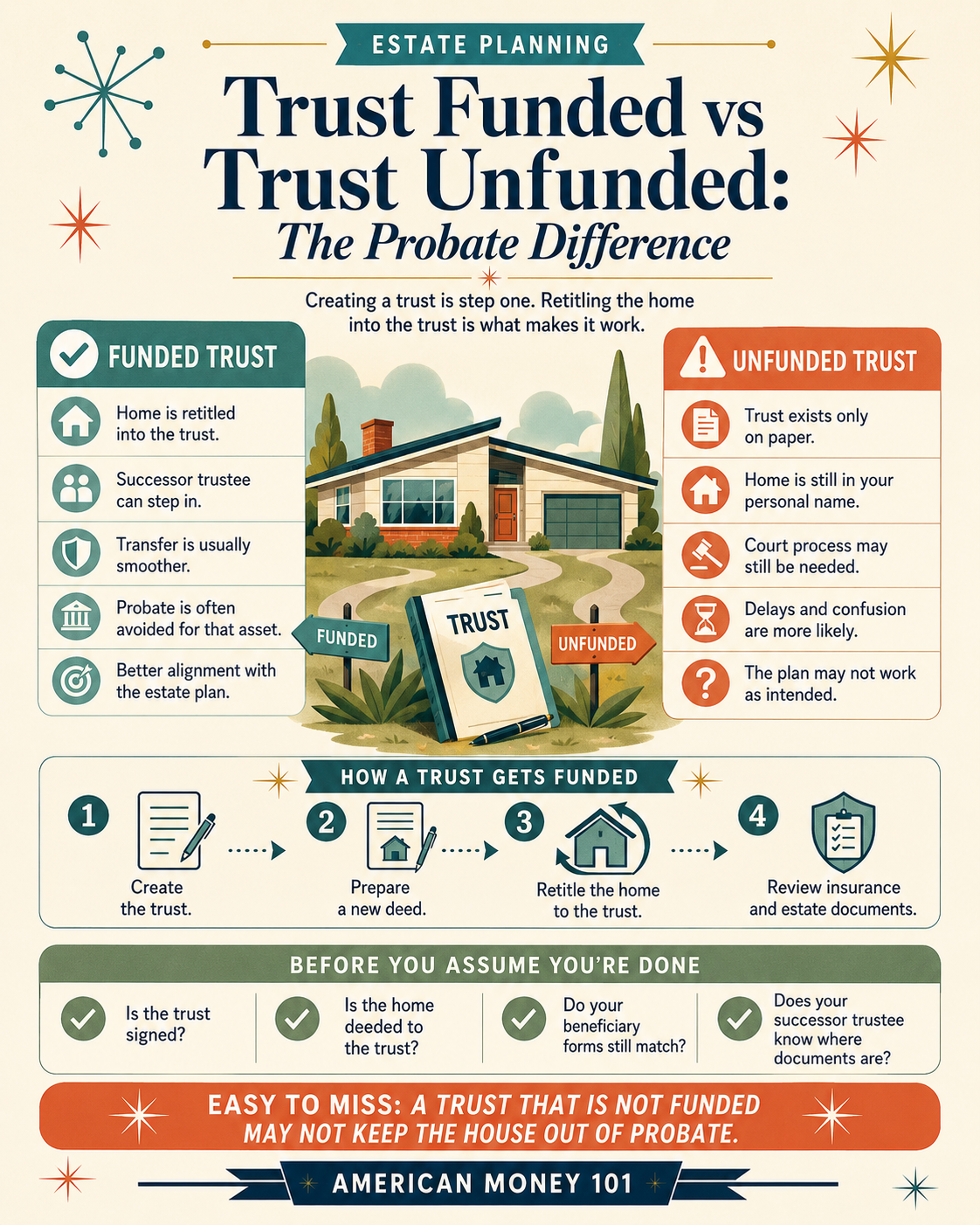
- Match the deed to your trust or estate plan: If you created a trust, did you actually transfer the deed into the trust's name?
- Review after major life events: Always check your title after marriage, divorce, the death of a co-owner, or a refinance. Refinancing, in particular, can sometimes inadvertently change how a title is held.
The Big Takeaway
The most important lesson is that a will does not control the house first. The deed often decides how your home transfers. By understanding your current deed and making any necessary updates, you can protect your family from the time, expense, and public nature of the probate process. Take the time to review your documents today to ensure your wishes are truly legally binding.