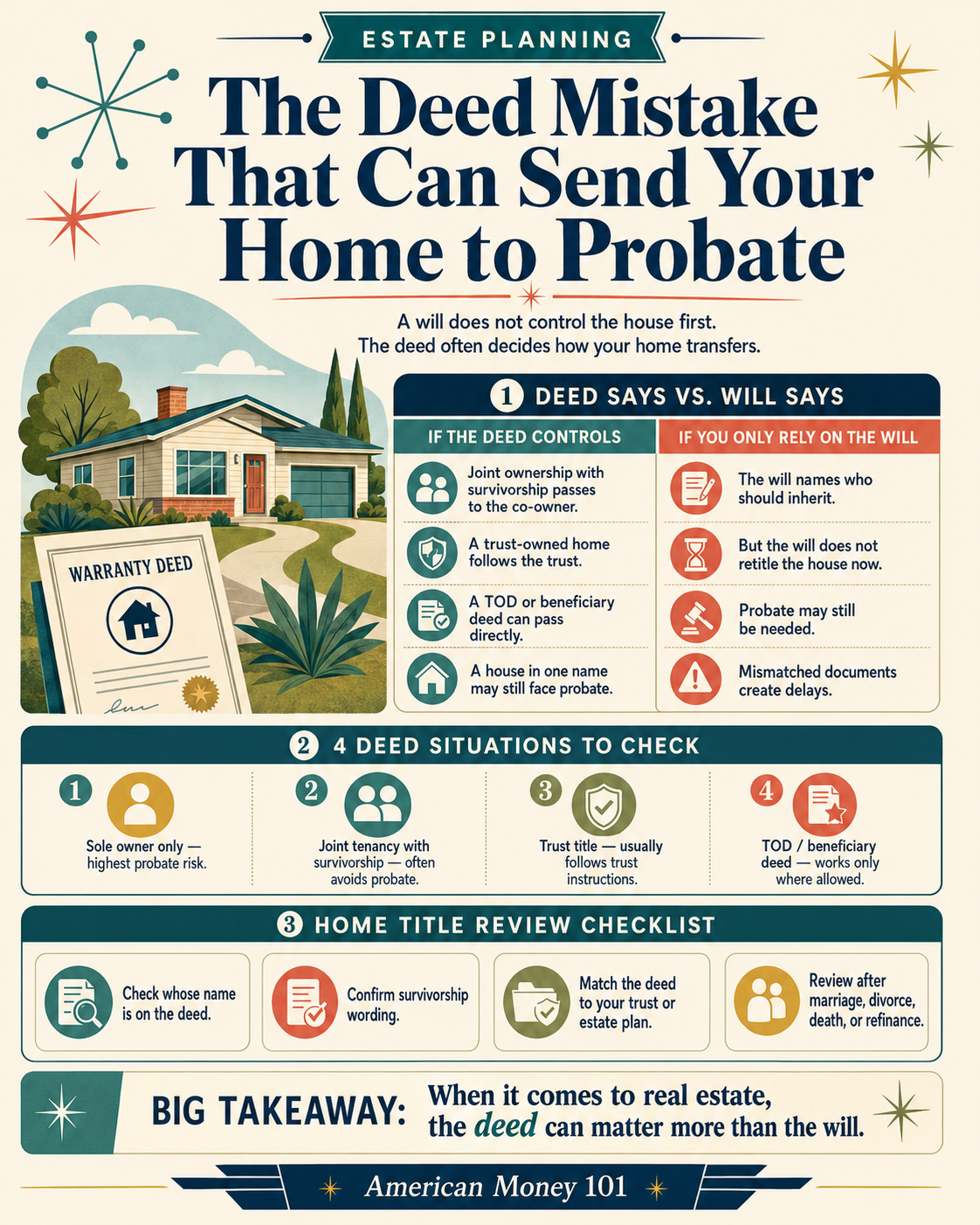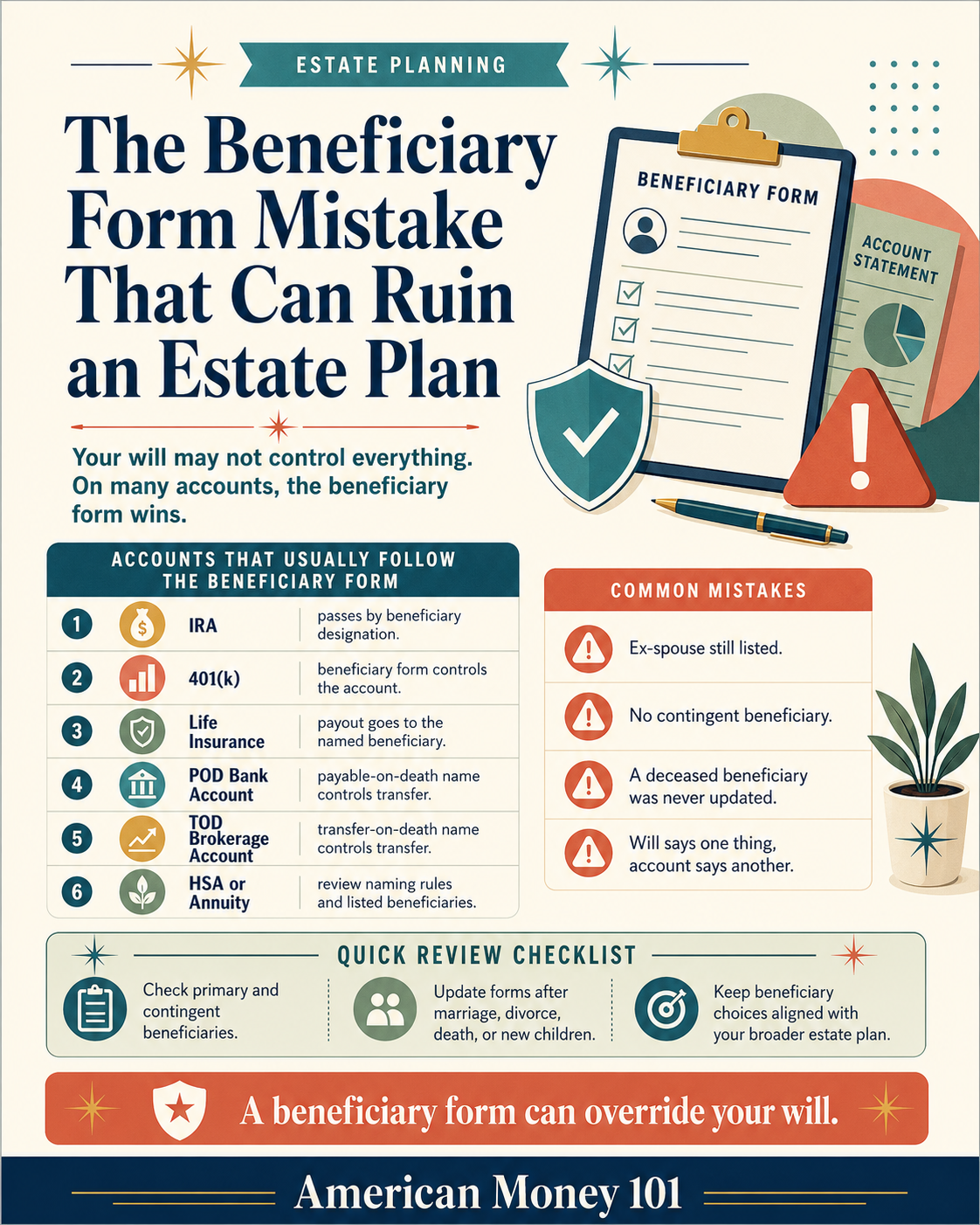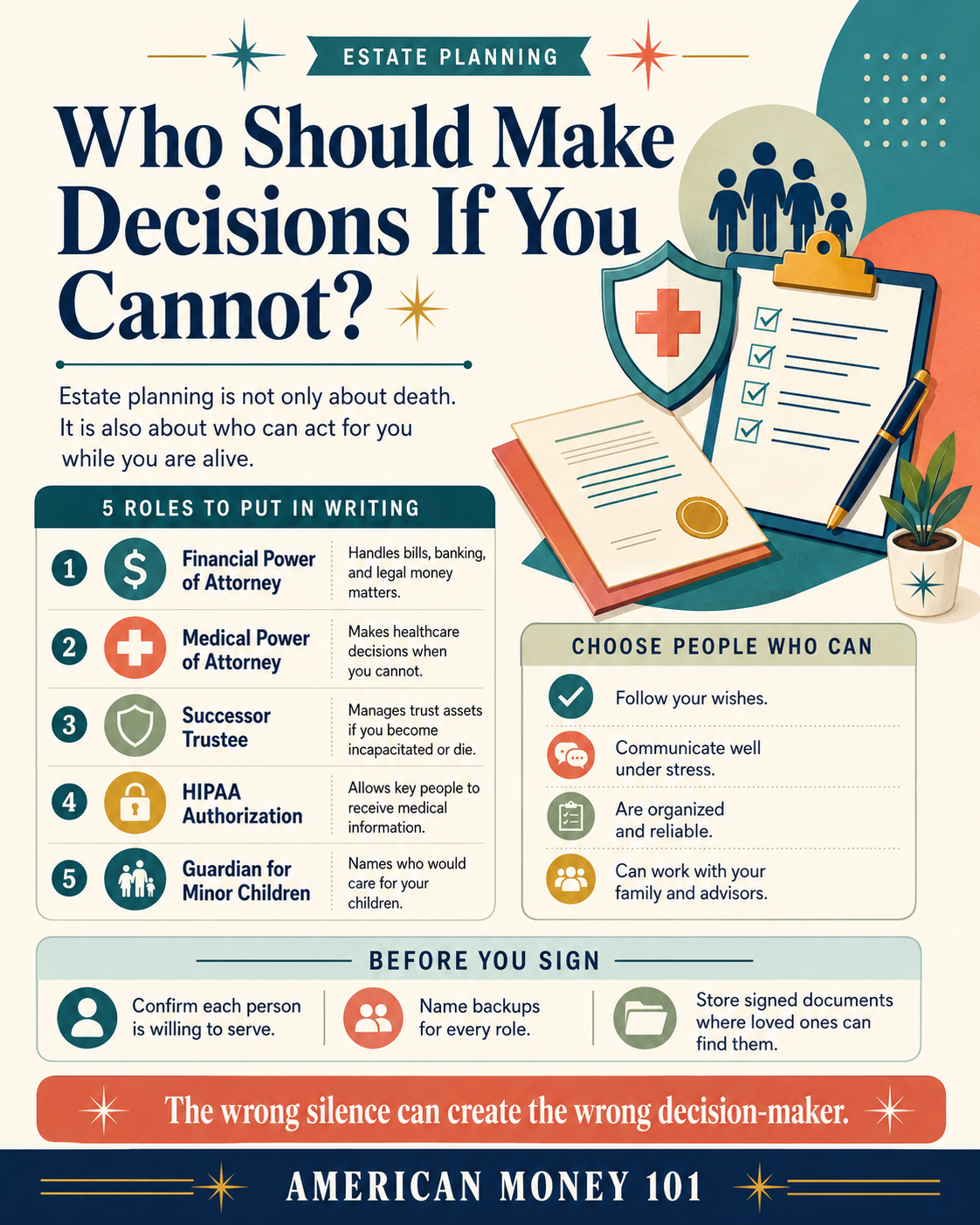
You have finally taken the time to sit down with an attorney and create a trust. You signed the documents, put them in a safe place, and breathed a sigh of relief, thinking your estate plan is complete. But if you stopped there, you might have missed the most crucial step: funding the trust. The difference between a funded trust and an unfunded trust is often the difference between a smooth transition of your assets and a lengthy, expensive trip through probate court.
What Is a Funded Trust?
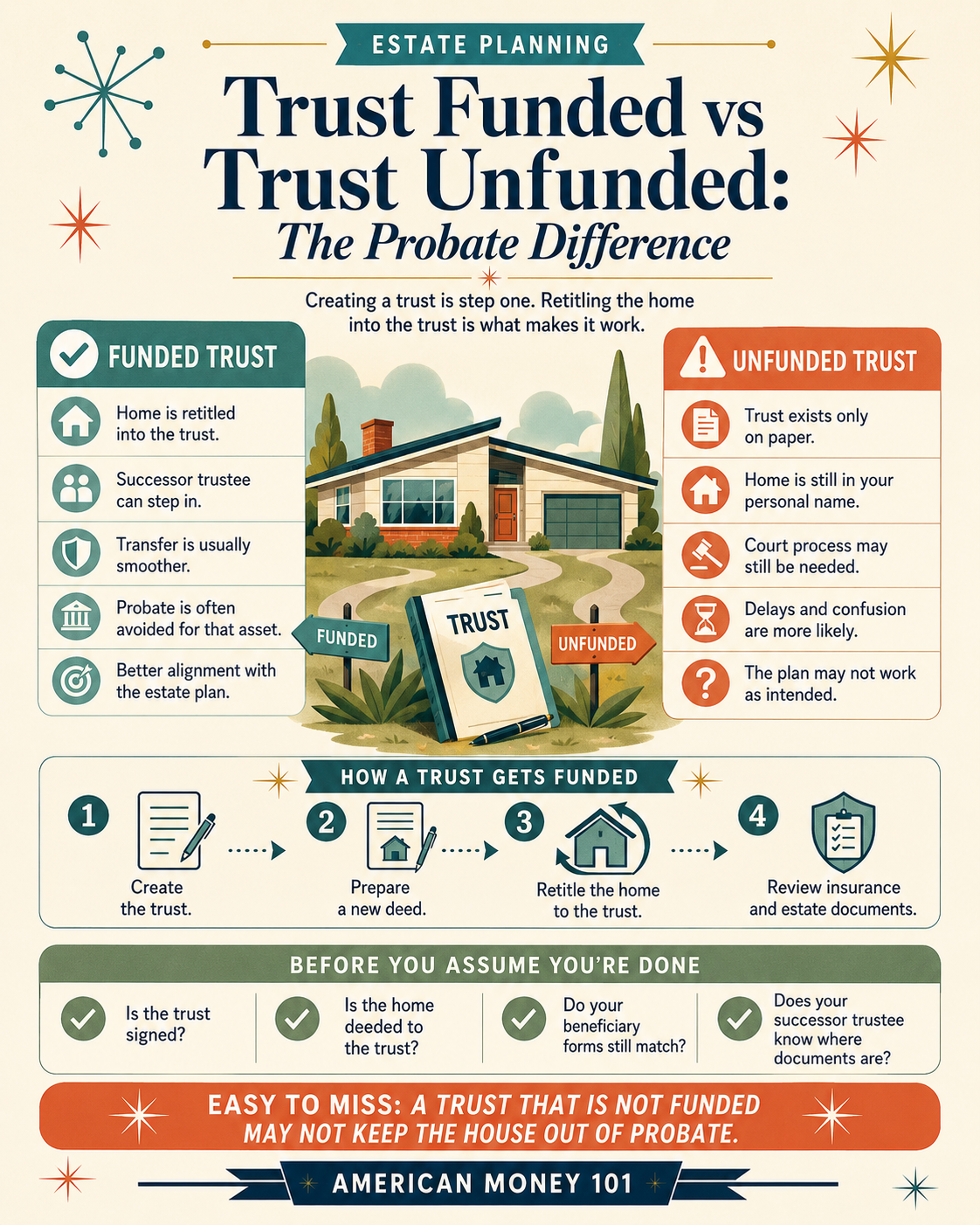
A funded trust is one that actually owns your assets. Creating the legal document is just the framework; funding it is the process of transferring ownership of your property from your personal name into the name of the trust. When a trust is properly funded, it functions as intended.
- Home is retitled into the trust: The legal deed to your property reflects the trust as the owner.
- Successor trustee can step in: If you become incapacitated or pass away, the person you named to take over can manage the assets seamlessly.
- Transfer is usually smoother: Because the trust already owns the assets, there is no need for a court to intervene to transfer ownership to your heirs.
- Probate is often avoided for that asset: Assets held in a trust generally bypass the probate process, saving time and money.
- Better alignment with the estate plan: Your assets are distributed exactly as you outlined in the trust document.
The Risks of an Unfunded Trust
An unfunded trust is essentially an empty vessel. It exists legally, but because it does not own anything, it cannot control what happens to your property. Many people mistakenly believe that simply listing an asset in the trust document is enough, but without legally changing the title, the trust has no power over that asset.
- Trust exists only on paper: It is a valid legal document, but it controls nothing.
- Home is still in your personal name: If the deed was never changed, you still own the house individually.
- Court process may still be needed: Assets left in your personal name typically must go through probate to be transferred to your heirs.
- Delays and confusion are more likely: Your family may have to navigate the court system, which can take months or even years.
- The plan may not work as intended: Without funding, the instructions in your trust cannot be executed for those specific assets.
How a Trust Gets Funded
Funding a trust requires specific actions for different types of assets. For real estate, such as your primary home, the process involves legally changing the ownership on the property deed.
- Create the trust: Work with an estate planning attorney to draft and sign the trust document.
- Prepare a new deed: A new deed must be drafted that transfers ownership from you individually to you as the trustee of your trust.
- Retitle the home to the trust: The new deed must be signed, notarized, and recorded with the county where the property is located.
- Review insurance and estate documents: Ensure your homeowners insurance reflects the trust as the owner and that your overall estate plan is cohesive.
Before You Assume You're Done
Estate planning is not a "set it and forget it" task. It requires ongoing maintenance and verification to ensure everything is in order. Before you consider your estate plan complete, ask yourself a few critical questions.
- Is the trust signed? Ensure all documents are properly executed according to your state's laws.
- Is the home deeded to the trust? Verify with the county recorder that the deed reflects the trust as the owner.
- Do your beneficiary forms still match? Check retirement accounts and life insurance policies to ensure the beneficiaries align with your trust's goals.
- Does your successor trustee know where documents are? Your plan only works if the people in charge know where to find the instructions.
It is easy to miss the final step of funding a trust, but a trust that is not funded may not keep your house out of probate. Taking the time to retitle your assets ensures that your careful planning actually protects your family when they need it most.
Sources and further reading
- Funding Your Revocable Trust and Other Critical Steps
- What Is Probate? Keeping Your Estate out of Court | Charles Schwab
- funding a trust | Wex | US Law | LII / Legal Information Institute
- Basic Estate Planning: Trusts | CFAES Knowledge Hub
- Should you consider a home trust | Fidelity Investments
- The Probate Process