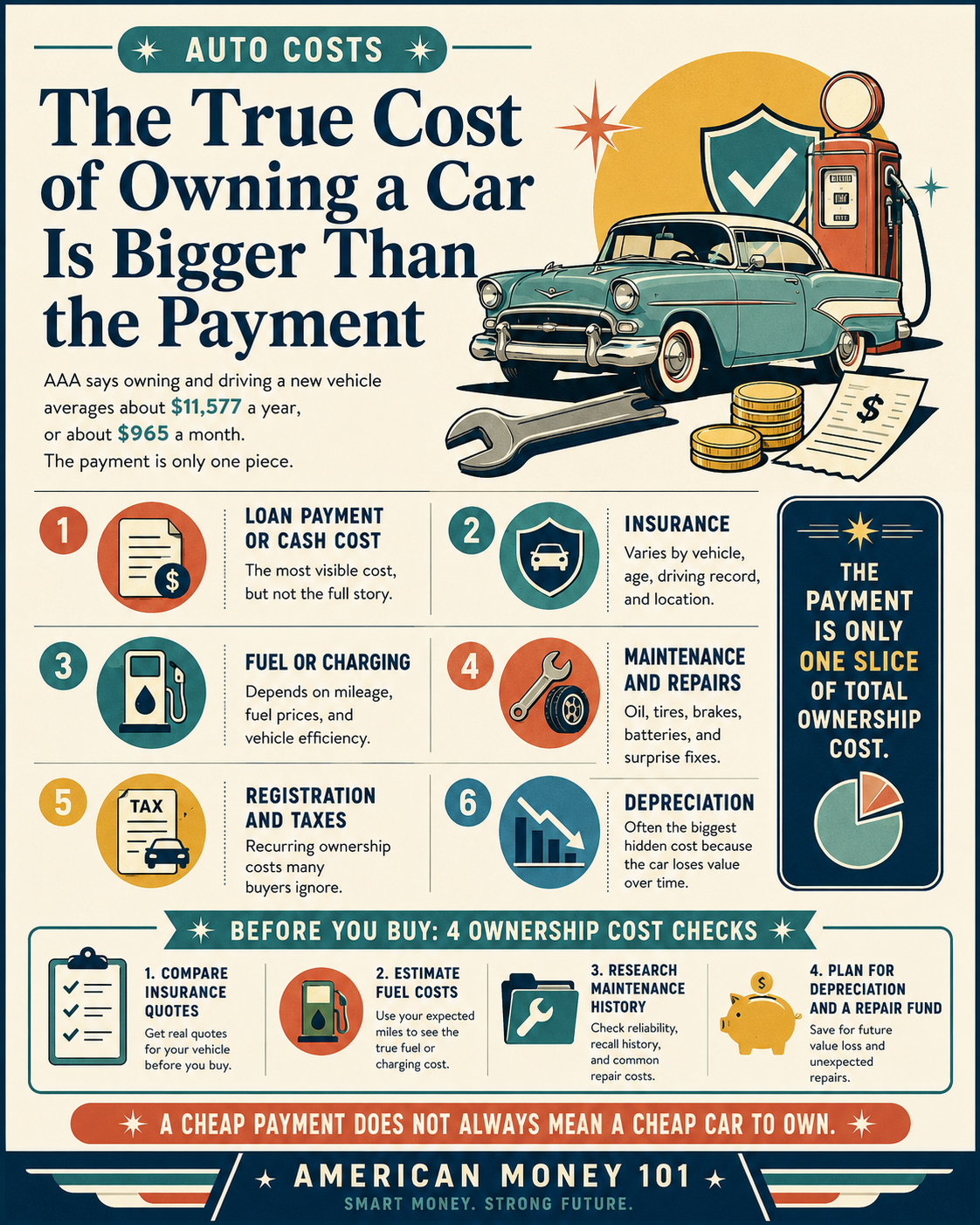
When you are in the market for a vehicle, the biggest question you face is whether to buy a new car or a used one. The answer depends on much more than just the sticker price you see on the lot. To figure out which option really costs less, you have to look at the total cost of ownership, which includes depreciation, repairs, warranty coverage, insurance, and financing.
The True Cost of the Purchase Price and Depreciation
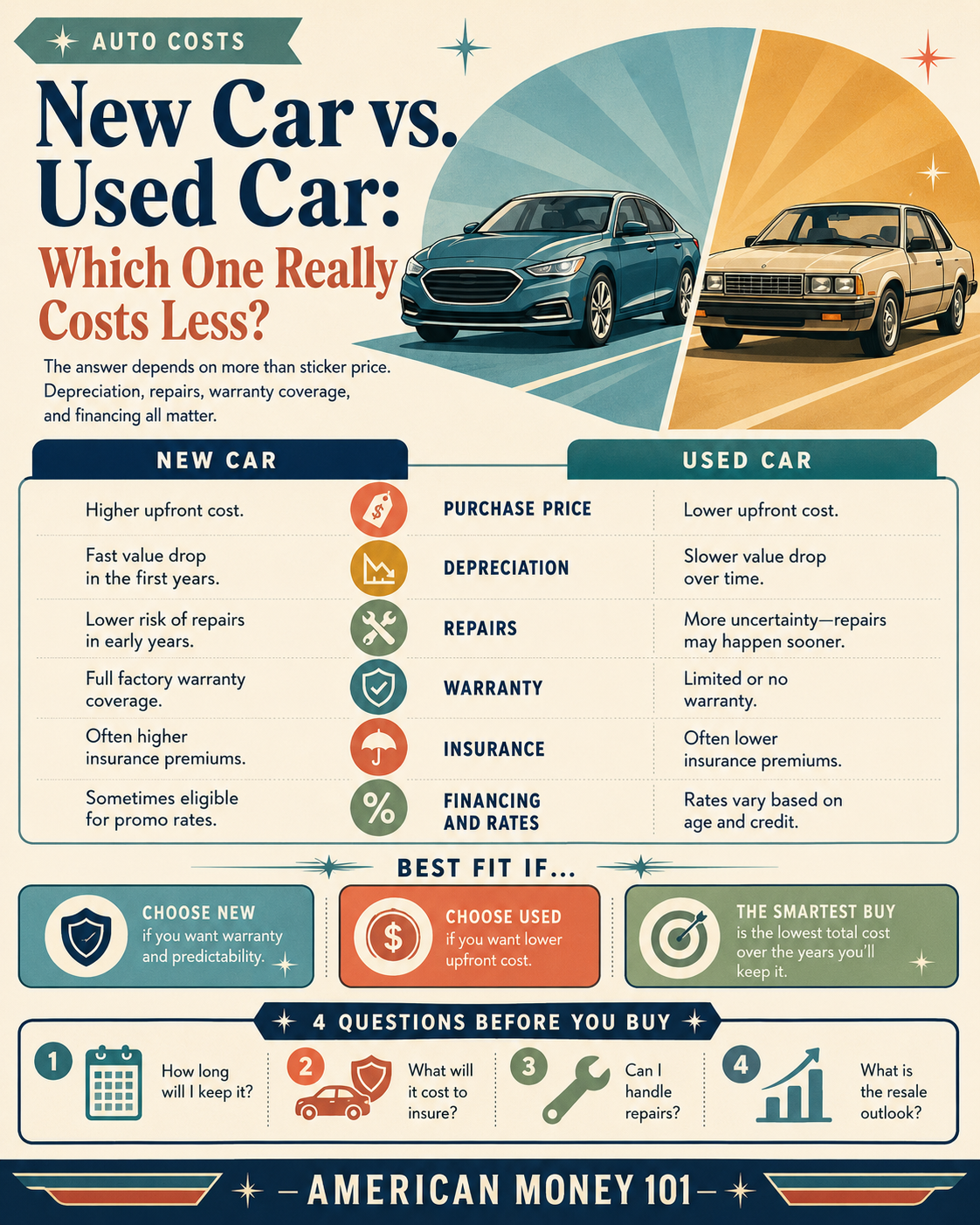
The most obvious difference between new and used cars is the purchase price. A new car comes with a higher upfront cost. According to recent data, the average price of a new vehicle is significantly higher than that of a used one. However, the real hidden cost of a new car is depreciation.
Depreciation is the rate at which a car loses its value over time. A new car experiences a fast value drop in its first few years. In fact, a new vehicle can lose around 20% of its value in the first year alone. On the other hand, a used car has a lower upfront cost and a slower value drop over time, because the original owner has already absorbed that steep initial depreciation.
Repairs and Warranty Coverage
When you buy a new car, you are paying for peace of mind. New cars come with a lower risk of repairs in the early years and full factory warranty coverage. If something goes wrong, the manufacturer usually foots the bill.
With a used car, there is more uncertainty. Repairs may happen sooner, and you will likely have limited or no warranty coverage. Once a warranty expires, all repair costs are fully your responsibility. You have to weigh the savings on the purchase price against the potential out-of-pocket costs for maintenance and repairs.
Insurance and Financing Rates
Your ongoing monthly costs will also look different depending on your choice. New cars often come with higher insurance premiums because they cost more to replace if they are totaled. Used cars typically have lower insurance premiums due to their lower overall value.
Financing is another crucial factor. New cars are sometimes eligible for promotional interest rates from the manufacturer, which can save you money over the life of the loan. For used cars, financing rates vary based on the age of the vehicle and your credit score, and they are generally higher than the rates offered for new cars.
Finding the Best Fit for You
So, which should you choose? The decision comes down to your priorities and financial situation.
- Choose New: If you want warranty protection, predictability, and the latest features, and you are willing to pay a premium for them.
- Choose Used: If you want a lower upfront cost, slower depreciation, and are prepared to handle potential repair costs.
Ultimately, the smartest buy is the one that offers the lowest total cost over the years you plan to keep it.
4 Questions to Ask Before You Buy
Before you sign any paperwork, ask yourself these four essential questions to ensure you are making the right choice:
- How long will I keep it? If you plan to drive the car into the ground, depreciation matters less. If you trade in every few years, a used car might save you from taking a massive depreciation hit.
- What will it cost to insure? Always get insurance quotes for the specific models you are considering before you buy.
- Can I handle repairs? Be honest about your budget for unexpected maintenance, especially if you are buying a used car without a warranty.
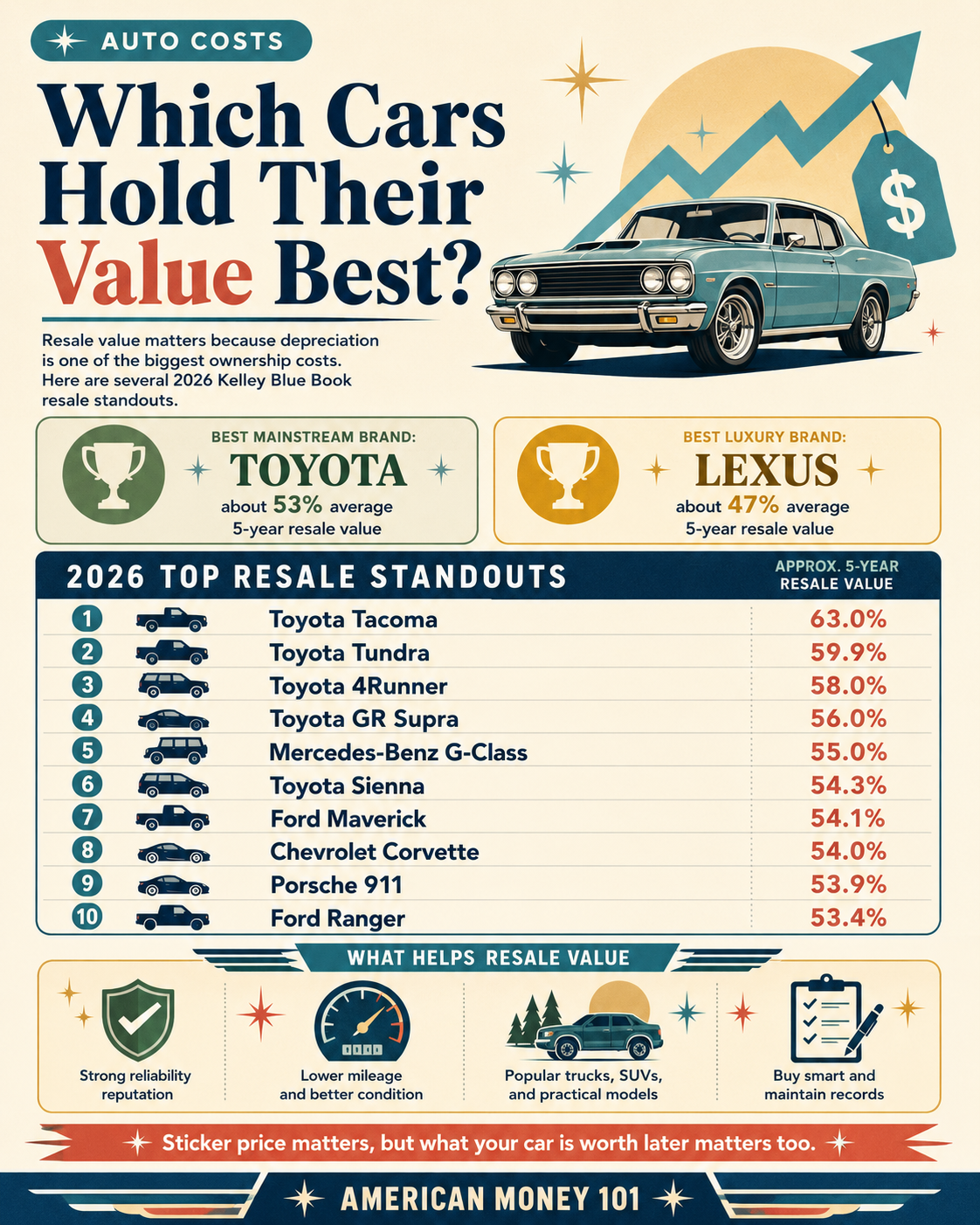
- What is the resale outlook? Research how well the make and model holds its value over time.