When you buy a new car, the sticker price is only part of the financial picture. One of the biggest, yet often overlooked, costs of car ownership is depreciation. You might be wondering: Which cars hold their value best over time? Understanding how depreciation works and knowing which models retain their worth can save you thousands of dollars when it is time to sell or trade in your vehicle.
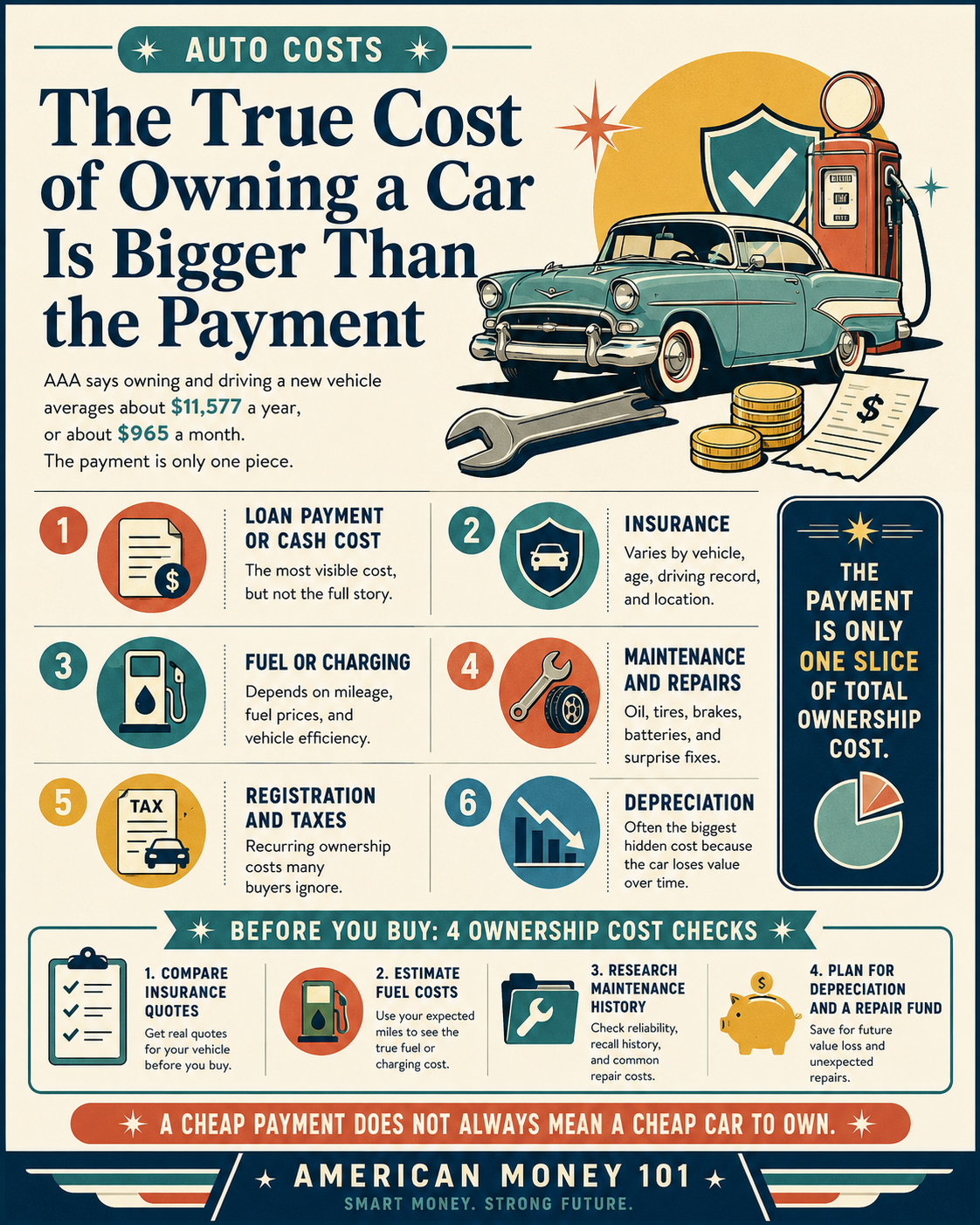
The Hidden Cost of Depreciation
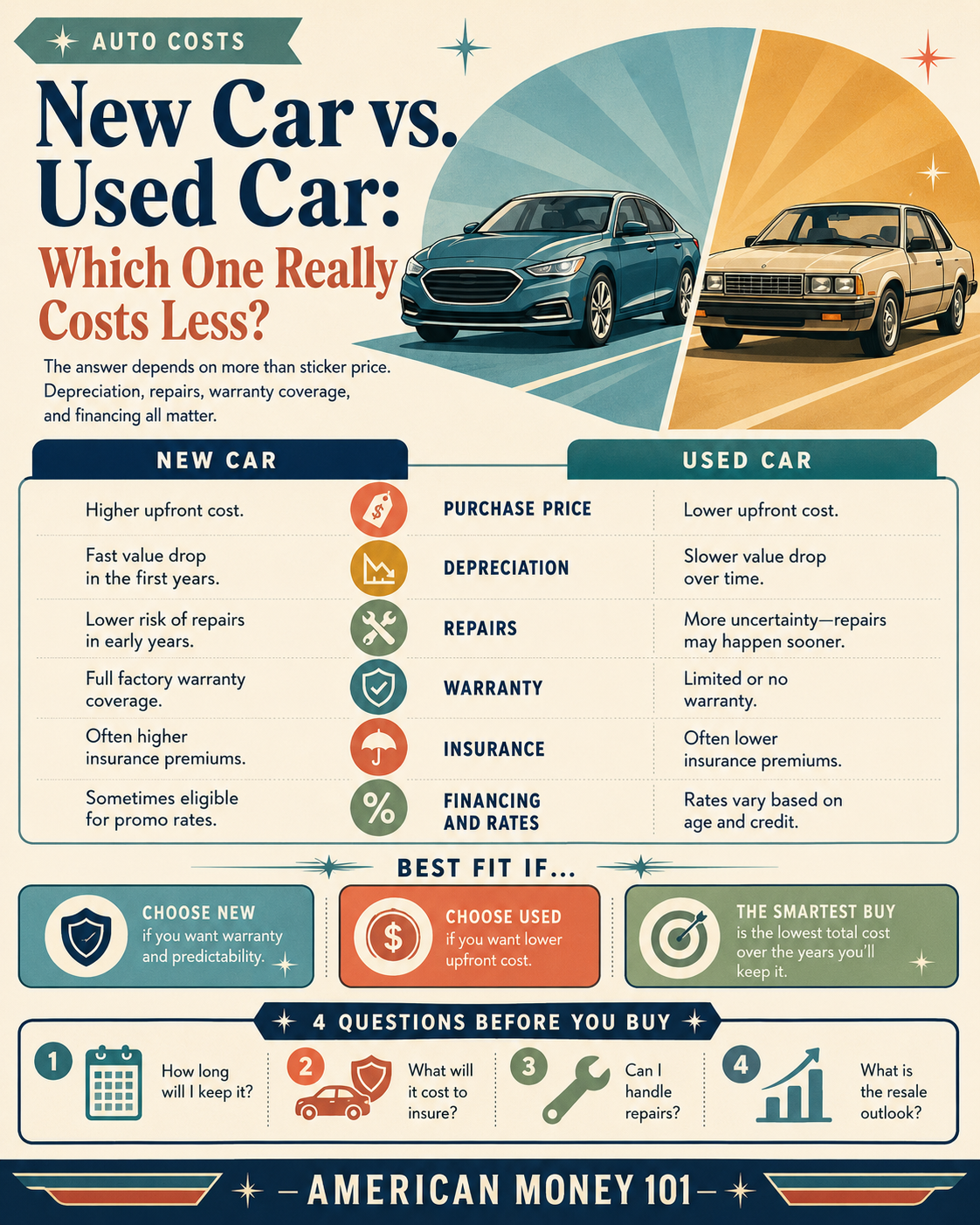
Depreciation is simply the difference between what you pay for a car and what it is worth when you sell it. The moment you drive a new car off the dealership lot, it begins to lose value. On average, a new vehicle can lose 20% or more of its value in the first year alone. Over a five-year period, many cars are worth less than half of their original purchase price.
Why does this matter to you? If you finance your car, steep depreciation can lead to being "upside down" on your loan, meaning you owe more than the car is worth. Furthermore, when you are ready for your next vehicle, a car that has held its value well will give you a much larger trade-in credit or private sale price, effectively lowering the cost of your next purchase.
2026 Resale Value Standouts
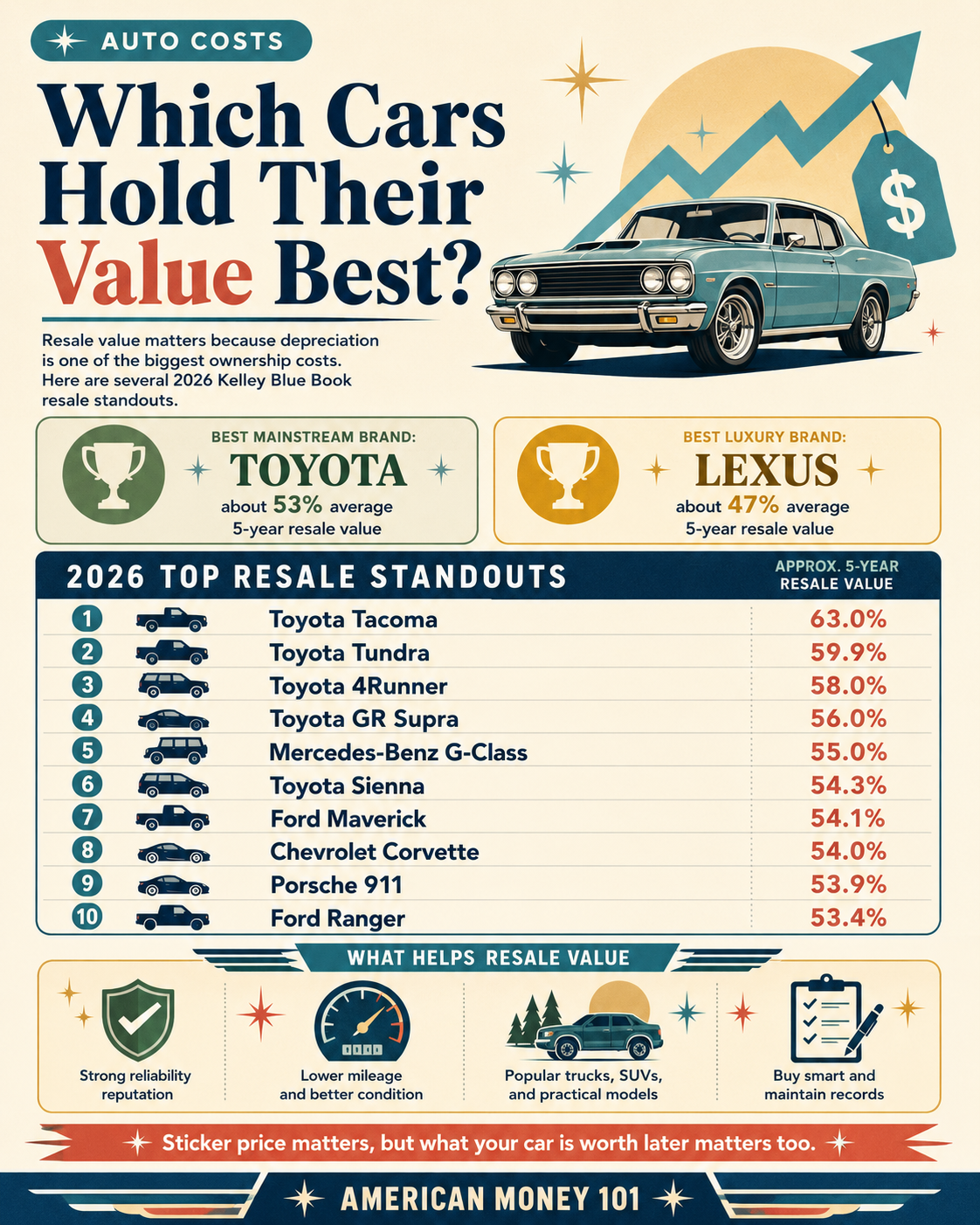
Not all cars depreciate at the same rate. Some brands and specific models are famous for holding onto their value. According to Kelley Blue Book's 2026 projections, certain vehicles stand out from the pack.
For mainstream brands, Toyota takes the crown with an average five-year resale value of about 53%. In the luxury category, Lexus leads the way, retaining about 47% of its value over five years. These figures are significantly higher than the industry average, meaning owners of these vehicles keep more money in their pockets.
When looking at specific models, trucks and SUVs dominate the top spots for 2026. Here are the top 10 resale standouts and their approximate five-year resale values:
- Toyota Tacoma: 63.0%
- Toyota Tundra: 59.9%
- Toyota 4Runner: 58.0%
- Toyota GR Supra: 56.0%
- Mercedes-Benz G-Class: 55.0%
- Toyota Sienna: 54.3%
- Ford Maverick: 54.1%
- Chevrolet Corvette: 54.0%
- Porsche 911: 53.9%
- Ford Ranger: 53.4%
As you can see, practical trucks like the Tacoma and Maverick, rugged SUVs like the 4Runner and G-Class, and desirable sports cars like the Corvette and 911 are the best bets for retaining value.
What Helps a Car Hold Its Value?
While you cannot control the broader market, several factors determine how much your specific car will be worth in the future. Understanding these can help you make smart buying and ownership decisions.
- Strong Reliability Reputation: Cars known for running well past 100,000 miles without major issues are always in high demand on the used market. Buyers are willing to pay a premium for peace of mind.
- Lower Mileage and Better Condition: The less a car is driven, the more it is worth. High mileage accelerates wear and tear. Similarly, a car with a pristine interior and exterior will always fetch more than one with dents, scratches, or torn upholstery.
- Popular Trucks, SUVs, and Practical Models: Market demand dictates price. Right now, Americans love trucks and SUVs. Vehicles that fit the lifestyle of many buyers will naturally hold their value better than niche or unpopular models.
- Buy Smart and Maintain Records: Choosing a car with a good resale history is the first step. Once you own it, sticking to the manufacturer's maintenance schedule and keeping detailed service records proves to the next buyer that the car was cared for properly.
Protecting Your Investment
You cannot stop depreciation entirely, but you can slow it down. Start by researching the projected resale value of any car you are considering. Once you make a purchase, treat the vehicle well. Keep it clean, fix minor issues before they become major problems, and drive responsibly.
Remember, the sticker price matters when you buy, but what your car is worth later matters just as much. By choosing a vehicle known for strong resale value and taking good care of it, you set yourself up for a much better financial outcome when it is time to hand over the keys.