When you are shopping for a car, it is easy to focus entirely on the monthly loan payment. You might look at your budget, see that you can afford $400 or $500 a month, and assume you are good to go. But the true cost of owning a car is much bigger than the payment alone. If you only budget for the loan, you are setting yourself up for a financial shock.
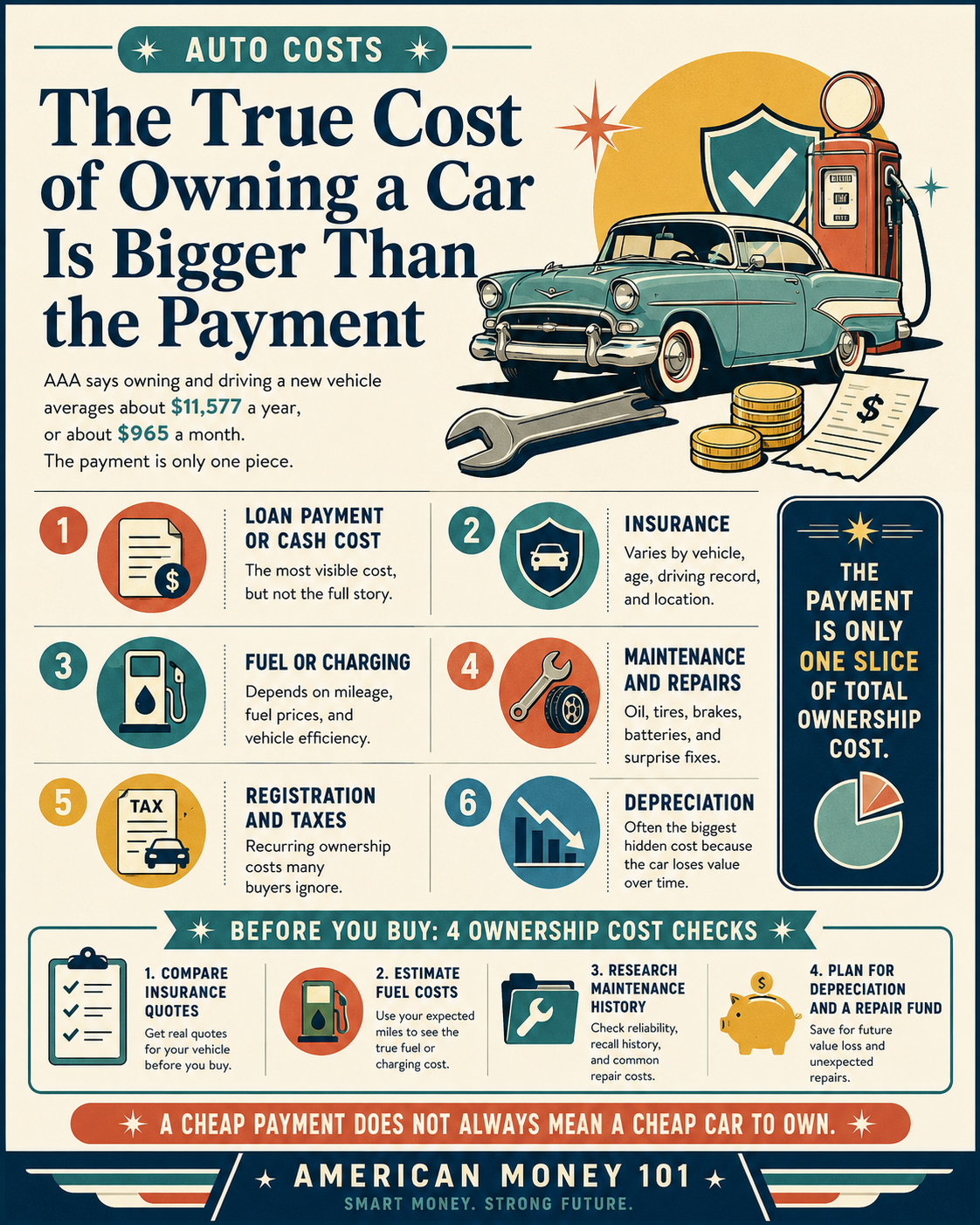
According to AAA, owning and driving a new vehicle averages about $11,577 a year, or about $965 a month. That figure includes a lot more than just handing money over to the bank. To truly understand what a car will cost you, you need to look at the full picture of ownership expenses.
The Six Slices of Car Ownership Costs
Your car payment is just one slice of the total ownership cost pie. To build a realistic budget, you need to account for all six major categories of car expenses.
- Loan Payment or Cash Cost: This is the most visible cost, but not the full story. Whether you finance the car or pay cash upfront, this is the baseline price of acquiring the vehicle.
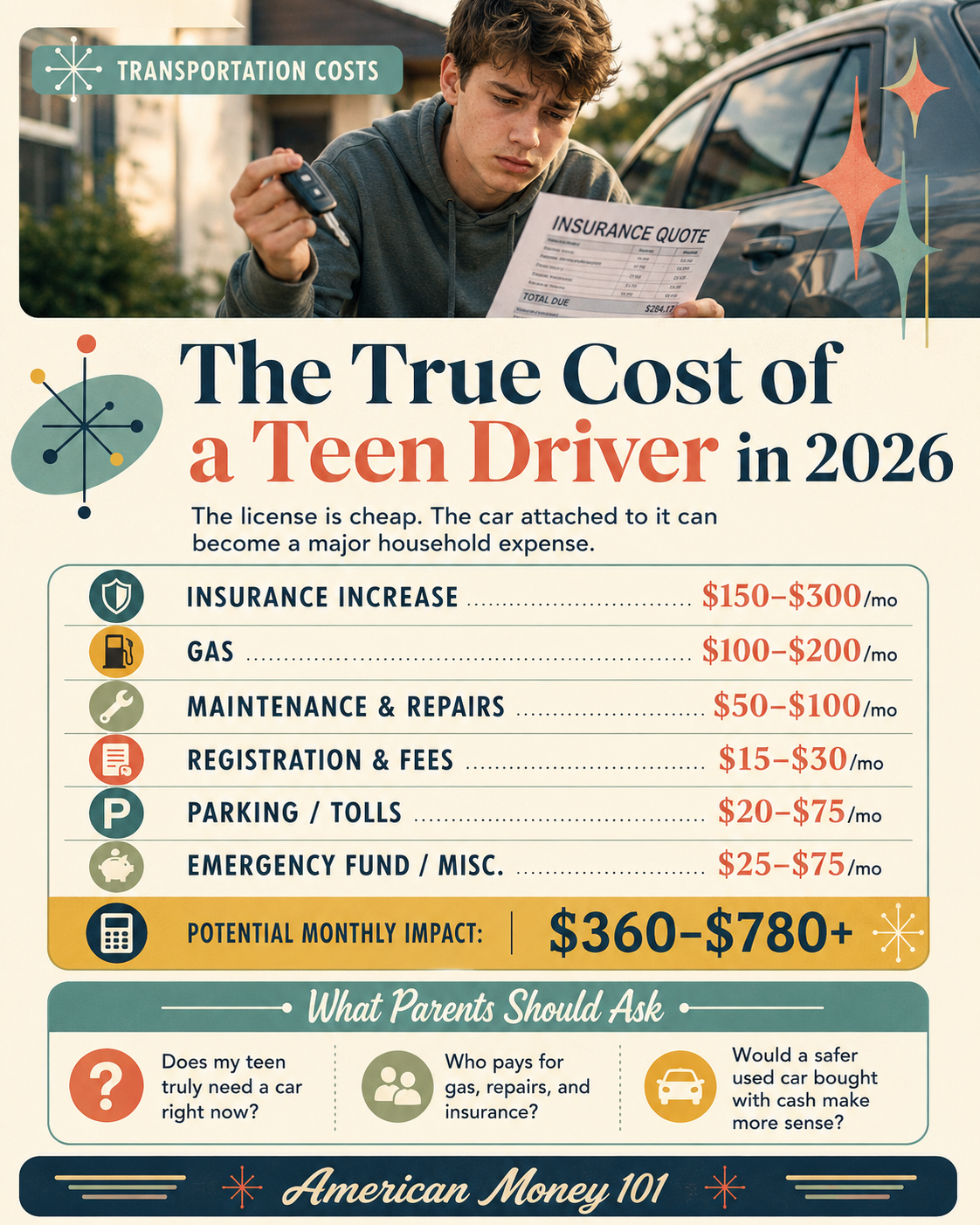
- Insurance: You cannot legally drive without it. Your premium varies widely by the vehicle you choose, your age, your driving record, and your location.
- Fuel or Charging: Whether you pump gas or plug in, getting from point A to point B costs money. This expense depends heavily on your mileage, local fuel prices, and the vehicle's efficiency.
- Maintenance and Repairs: Cars are machines, and machines break down. You have to pay for routine oil changes, tires, brakes, and batteries, plus surprise fixes when things go wrong.
- Registration and Taxes: These are recurring ownership costs many buyers ignore. You will pay taxes when you buy the car, and you will pay the state every year to renew your registration and tags.
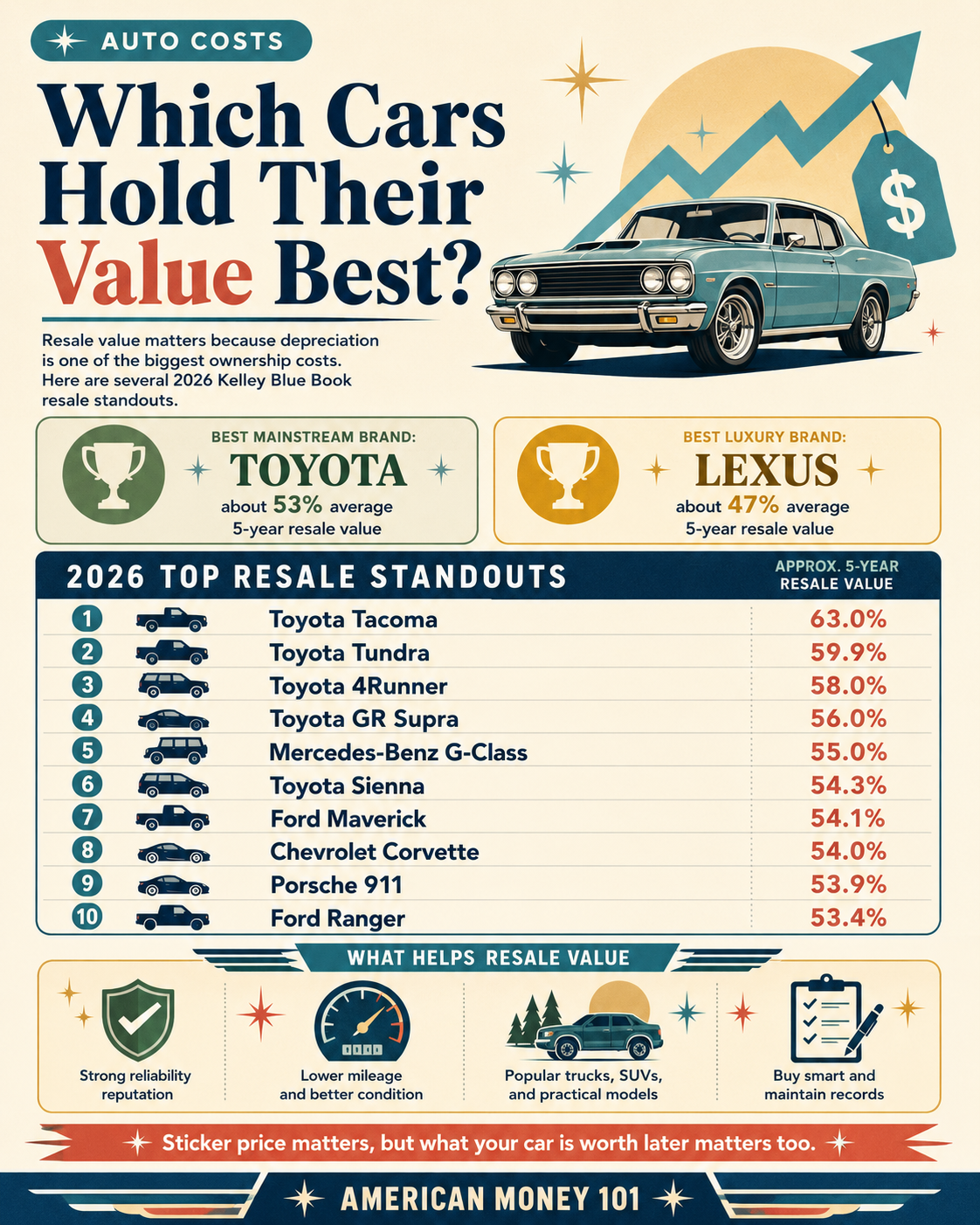
- Depreciation: This is often the biggest hidden cost because the car loses value over time. You do not write a check for depreciation every month, but you feel the hit when you go to sell or trade in the car.
Why Depreciation Matters
Depreciation is a silent wealth killer. When you buy a new car, it loses a significant chunk of its value the moment you drive it off the lot. Over the first five years, a car can lose 60 percent or more of its original purchase price. While you aren't paying this cost out of pocket on a daily basis, it represents a massive loss of net worth.
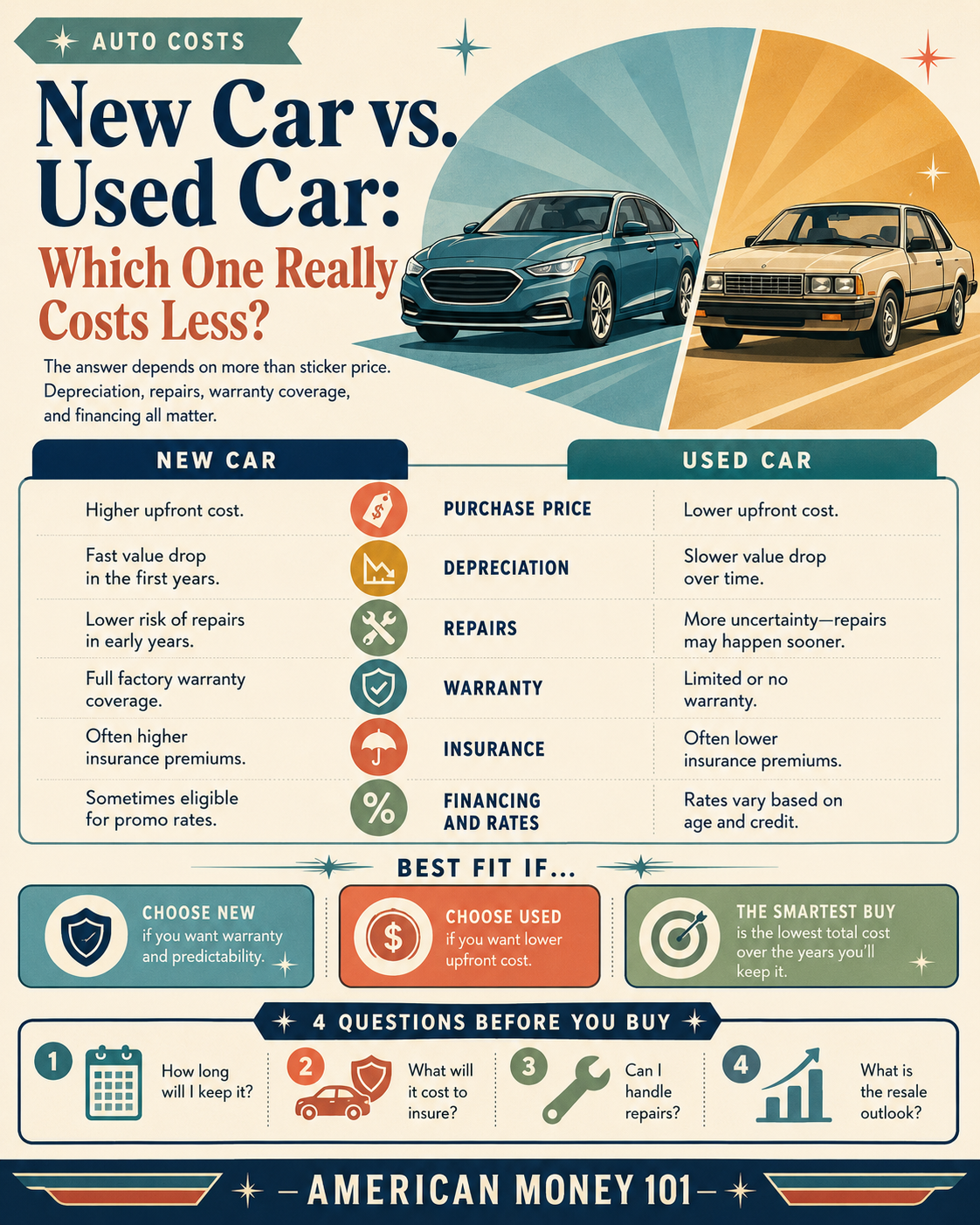
If you buy a car for $40,000 and it is only worth $15,000 five years later, that $25,000 drop in value is a real cost to you. When you factor in depreciation, a car that seems affordable based on the monthly payment might actually be draining your finances faster than you realize. Buying a slightly used car is one of the best ways to let someone else take that initial depreciation hit.
Before You Buy: 4 Ownership Cost Checks
A cheap payment does not always mean a cheap car to own. Before you sign any paperwork or hand over a down payment, run through these four checks to make sure you can actually afford the vehicle.
- Compare Insurance Quotes: Never assume you know what it will cost to insure a new car. Get real quotes for your specific vehicle before you buy. A sporty car or a model with high theft rates could double your premium.
- Estimate Fuel Costs: Use your expected miles to see the true fuel or charging cost. If you commute 50 miles a day, a gas-guzzling truck is going to cost you a fortune at the pump, even if the loan payment is reasonable.
- Research Maintenance History: Check reliability, recall history, and common repair costs. Some brands are notorious for expensive parts and frequent breakdowns. A cheap used luxury car is often a trap because the repair bills will bankrupt you.
- Plan for Depreciation and a Repair Fund: Save for future value loss and unexpected repairs. You should have a dedicated savings account just for car maintenance so that a $600 brake job doesn't force you into credit card debt.
Building Your True Car Budget
To protect your finances, you need to build a comprehensive car budget. Start with the loan payment, but don't stop there. Call your insurance agent and get a firm quote. Calculate your monthly gas costs based on your actual commute. Look up the annual registration fees in your state. Finally, set aside at least $75 to $100 a month in a separate savings account just for maintenance and repairs.
When you add all of those numbers together, you will have your true monthly cost of ownership. If that total number makes you uncomfortable, you are looking at too much car. It is far better to buy a less expensive, more reliable vehicle than to be car-poor, struggling to pay for gas and insurance because your loan payment is eating up your entire paycheck.
Remember, the goal is to own the car, not to let the car own you. By understanding the true cost of driving, you can make a smart, informed decision that keeps your financial future strong.