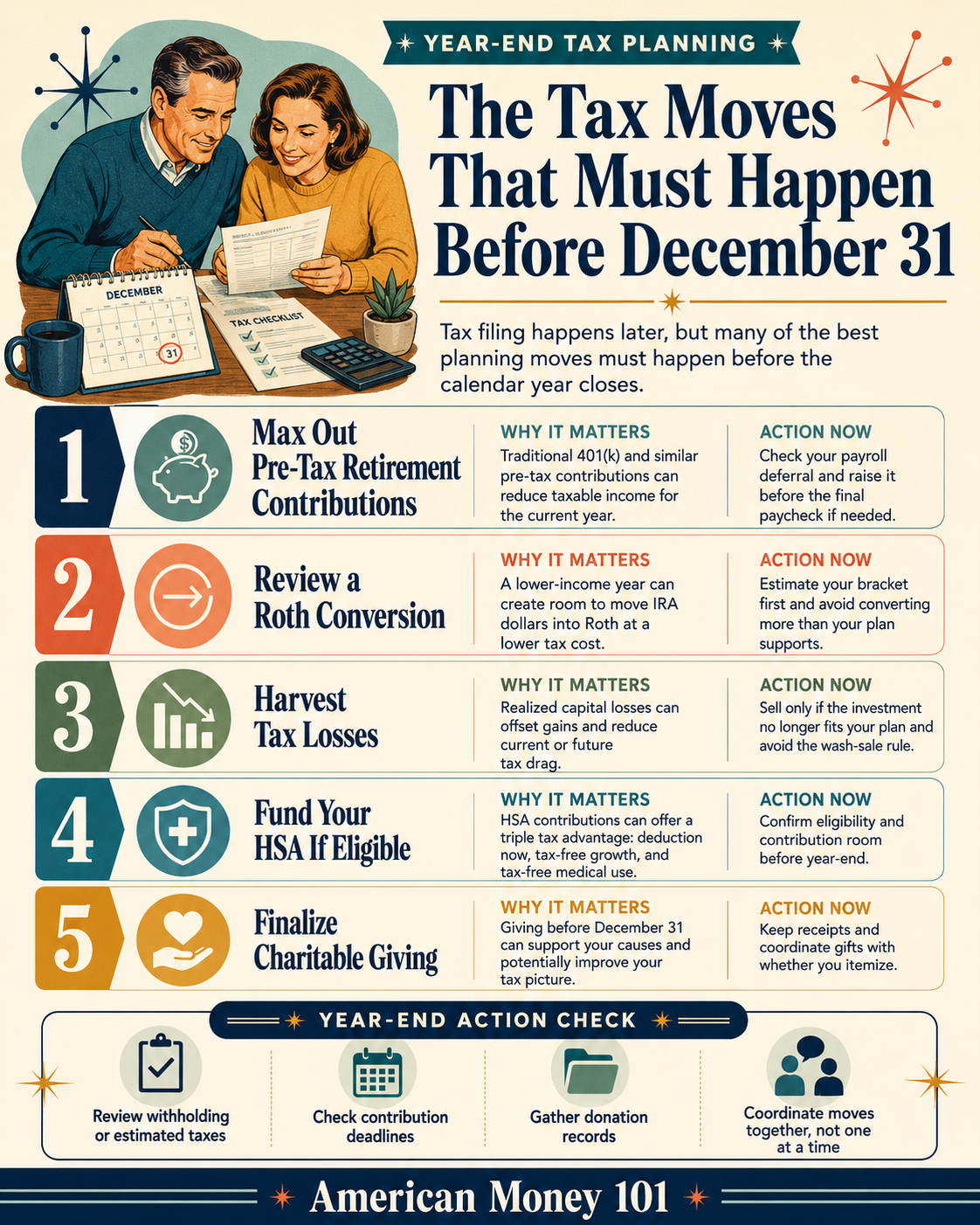
When does tax season really start? For most of us, the scramble begins in March or April. But if you want to make a real difference in what you owe, the most important deadline isn't in the spring—it's December 31. Tax filing happens later, but many of the best planning moves must happen before the calendar year closes.
Once the ball drops on New Year's Eve, the window closes on several strategies that could reduce your taxable income or set you up for tax-free growth in the future. Here are five tax moves that must happen before December 31, and how to decide if they make sense for your situation.
1. Max Out Pre-Tax Retirement Contributions
One of the most straightforward ways to lower your tax bill is to contribute to a pre-tax retirement account, like a traditional 401(k) or 403(b). The money you put in reduces your taxable income for the current year dollar-for-dollar. If you haven't hit the annual contribution limit, you still have time to act.
- Why it matters: Traditional 401(k) and similar pre-tax contributions can reduce taxable income for the current year.
- Action now: Check your payroll deferral and raise it before the final paycheck if needed. Because these contributions must come directly from your paycheck, you cannot simply write a check on December 30.
2. Review a Roth Conversion
A Roth conversion involves moving money from a pre-tax retirement account (like a traditional IRA) into a Roth IRA. You have to pay taxes on the amount you convert now, but the money grows tax-free, and qualified withdrawals in retirement are also tax-free. The end of the year is the perfect time to evaluate this strategy because you have a clear picture of your total income for the year.
- Why it matters: A lower-income year can create room to move IRA dollars into Roth at a lower tax cost. If your income dropped this year due to a job change, retirement, or business losses, you might be in a lower tax bracket than usual.
- Action now: Estimate your bracket first and avoid converting more than your plan supports. Converting too much could push you into a higher tax bracket, negating the benefit.
3. Harvest Tax Losses
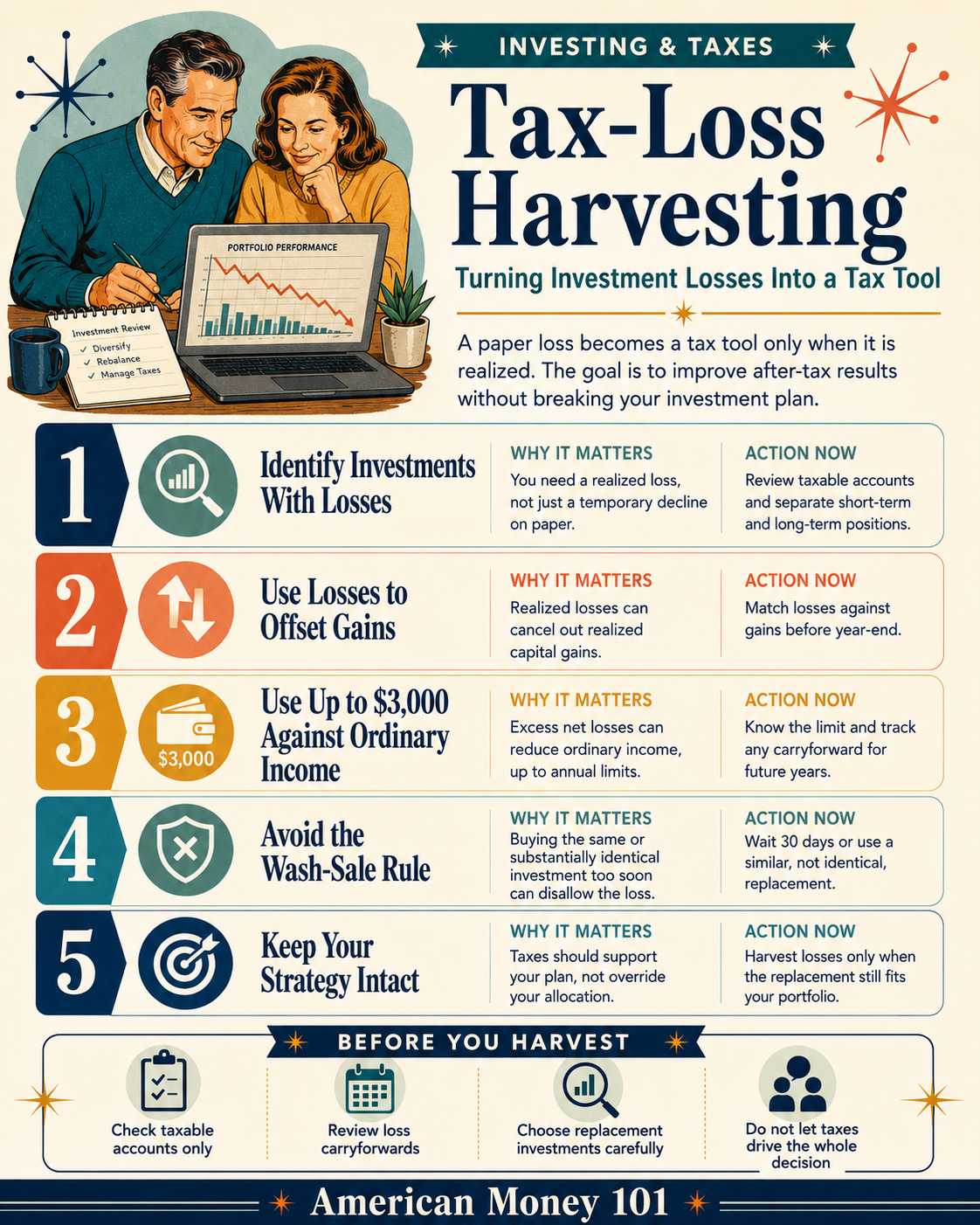
If you hold investments in a taxable brokerage account (not an IRA or 401(k)), you can use your losing investments to your advantage. Tax-loss harvesting involves selling investments that have lost value to offset the taxes you owe on investments that have gained value.
- Why it matters: Realized capital losses can offset gains and reduce current or future tax drag. If your losses exceed your gains, you can use up to $3,000 of the excess to offset ordinary income.
- Action now: Sell only if the investment no longer fits your plan and avoid the wash-sale rule. The wash-sale rule prevents you from claiming the loss if you buy a "substantially identical" investment within 30 days before or after the sale.
4. Fund Your HSA If Eligible
If you have a high-deductible health plan (HDHP), a Health Savings Account (HSA) is one of the most powerful tax tools available. It is the only account that offers a triple tax advantage.
- Why it matters: HSA contributions can offer a triple tax advantage: a tax deduction now, tax-free growth, and tax-free withdrawals when used for qualified medical expenses.
- Action now: Confirm eligibility and contribution room before year-end. While you technically have until Tax Day to make HSA contributions for the previous year, funding it now gets your money working for you sooner.
5. Finalize Charitable Giving
If you plan to donate to charity and want to claim a tax deduction for this year, the donation must be completed by December 31. A pledge doesn't count; the money or assets must actually change hands.
- Why it matters: Giving before December 31 can support your causes and potentially improve your tax picture.
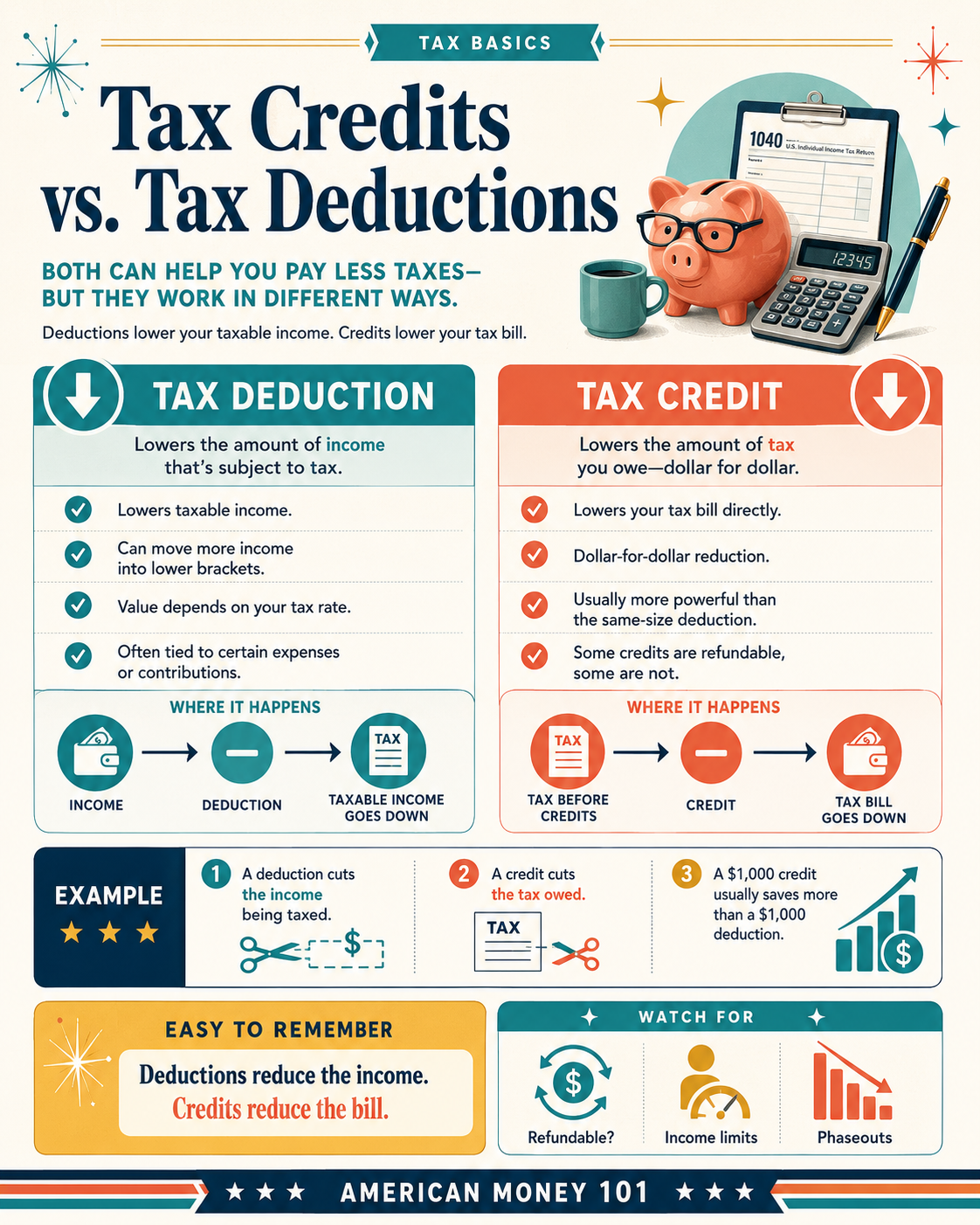
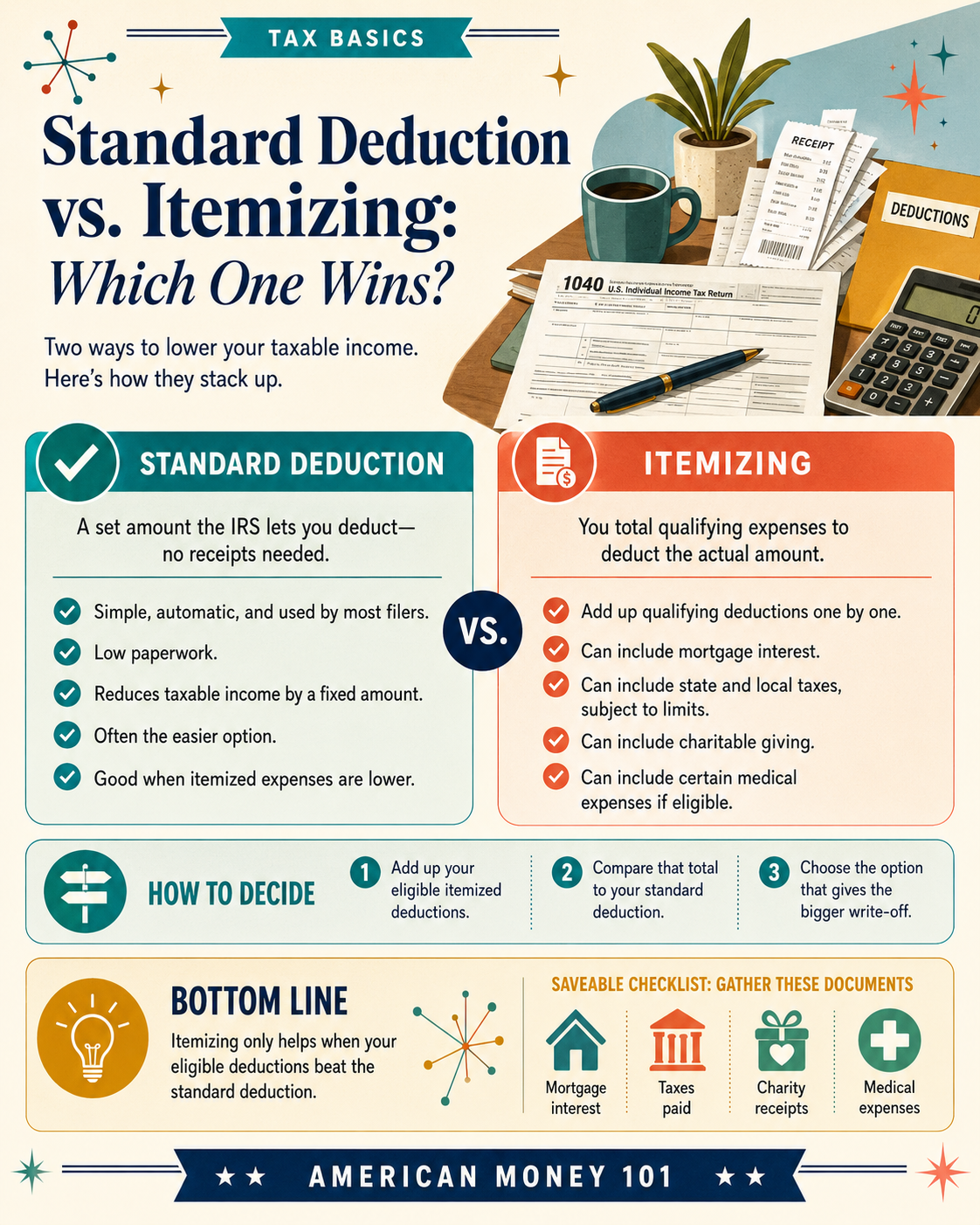
- Action now: Keep receipts and coordinate gifts with whether you itemize. Under current tax law, you only get a tax benefit for charitable giving if your total itemized deductions exceed the standard deduction. If you are close to the threshold, consider "bunching" multiple years of donations into a single year.
Year-End Action Check
As you review these strategies, keep the big picture in mind. Tax planning shouldn't happen in a vacuum. Before the year ends, run through this quick checklist:
- Review withholding or estimated taxes: Make sure you have paid enough throughout the year to avoid underpayment penalties.
- Check contribution deadlines: Know which moves must happen by December 31 (like 401(k) contributions and Roth conversions) and which can wait until Tax Day (like IRA contributions).
- Gather donation records: Ensure you have the proper documentation for any charitable gifts.
- Coordinate moves together, not one at a time: A Roth conversion increases your taxable income, while a 401(k) contribution decreases it. Look at how these moves interact before executing them.