Are you getting close to the finish line? The question of how to prepare in the final stretch before leaving the workforce is one of the most common concerns for older workers. The biggest retirement moves often happen before your paycheck stops, and having a clear plan can make all the difference.
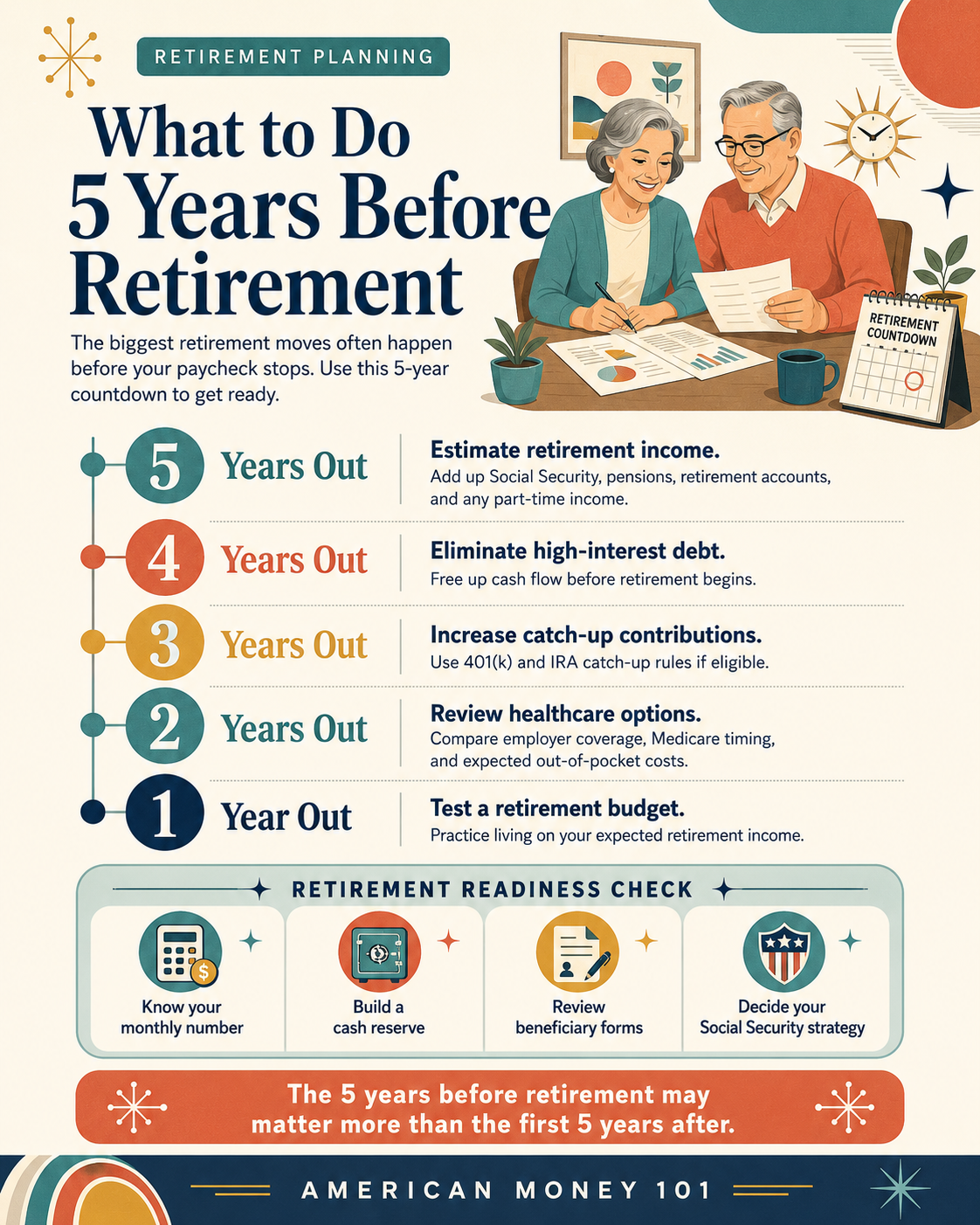
5 Years Out: Estimate Retirement Income
When you are five years away from retirement, it is time to get a realistic picture of what your income will look like. You need to know exactly where your money will come from once your regular paychecks stop.
- Social Security: Check your estimated benefits at different claiming ages.
- Pensions: If you have a pension, review the payout options and survivor benefits.
- Retirement Accounts: Look at your 401(k), IRA, and other investment balances to estimate how much you can safely withdraw each month.
- Part-Time Income: Consider if you plan to work part-time or consult during early retirement.
Adding up these sources will give you a baseline for your retirement budget. If the total is less than you expect to need, you still have five years to adjust your savings rate or rethink your retirement date.
4 Years Out: Eliminate High-Interest Debt
Carrying high-interest debt into retirement can severely strain your fixed income. Four years out, your primary focus should be on clearing the decks.
- Credit Cards: Pay off any revolving credit card balances. The interest rates on these cards can quickly eat into your retirement savings.
- Personal Loans: Focus on eliminating any unsecured personal loans.
- Auto Loans: Try to have your vehicles paid off before you retire to reduce your monthly fixed costs.
Freeing up cash flow before retirement begins gives you more flexibility and reduces the amount you need to withdraw from your portfolio each month.
3 Years Out: Increase Catch-Up Contributions
If you are 50 or older, the IRS allows you to make "catch-up" contributions to your retirement accounts. Three years out is the perfect time to maximize these limits if you haven't already.
- 401(k) Catch-Up: For 2024, you can contribute an additional $7,500 to your 401(k) if you are 50 or older.
- IRA Catch-Up: You can add an extra $1,000 to your IRA contributions.
Using these catch-up rules can significantly boost your nest egg in the final years of your career, providing a larger cushion for your retirement.
2 Years Out: Review Healthcare Options
Healthcare is often one of the largest expenses in retirement, and navigating the transition from employer coverage to Medicare requires careful planning.
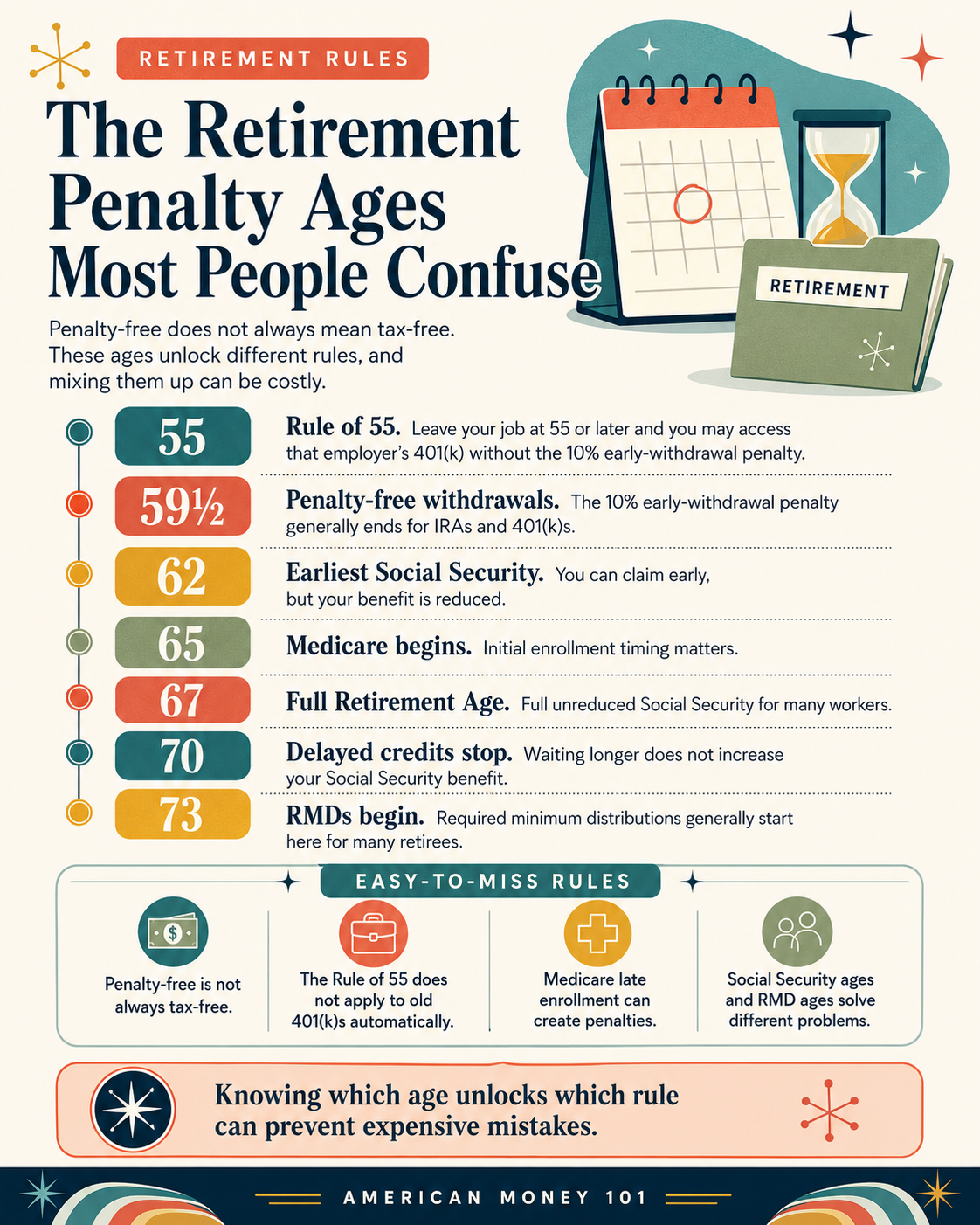
- Medicare Timing: You become eligible for Medicare at age 65. Understand the enrollment windows to avoid late penalties.
- Employer Coverage: If you plan to retire before 65, you need a plan for health insurance, such as COBRA or an Affordable Care Act (ACA) plan.
- Out-of-Pocket Costs: Medicare does not cover everything. Estimate your costs for premiums, deductibles, and supplemental insurance (Medigap or Medicare Advantage).
Having a solid healthcare plan in place two years out will prevent unexpected medical bills from derailing your retirement budget.
1 Year Out: Test a Retirement Budget
In your final year of work, it is time for a dry run. Practice living on your expected retirement income to see how it feels.
- Track Spending: Monitor your expenses closely to ensure they align with your estimated retirement budget.
- Adjust as Needed: If you find your budget is too tight, you still have time to make adjustments, such as working a little longer or reducing planned expenses.
- Save the Excess: If your current income is higher than your test budget, save the difference to build up your cash reserves.
Testing your budget gives you confidence that your plan is realistic and helps you identify any gaps before you officially retire.
Retirement Readiness Check
As you work through this five-year countdown, keep these essential readiness checks in mind:
- Know your monthly number: Have a clear understanding of your expected monthly expenses.
- Build a cash reserve: Aim for one to two years of living expenses in cash or cash equivalents to protect against market downturns early in retirement.
- Review beneficiary forms: Ensure your retirement accounts and life insurance policies have up-to-date beneficiaries.
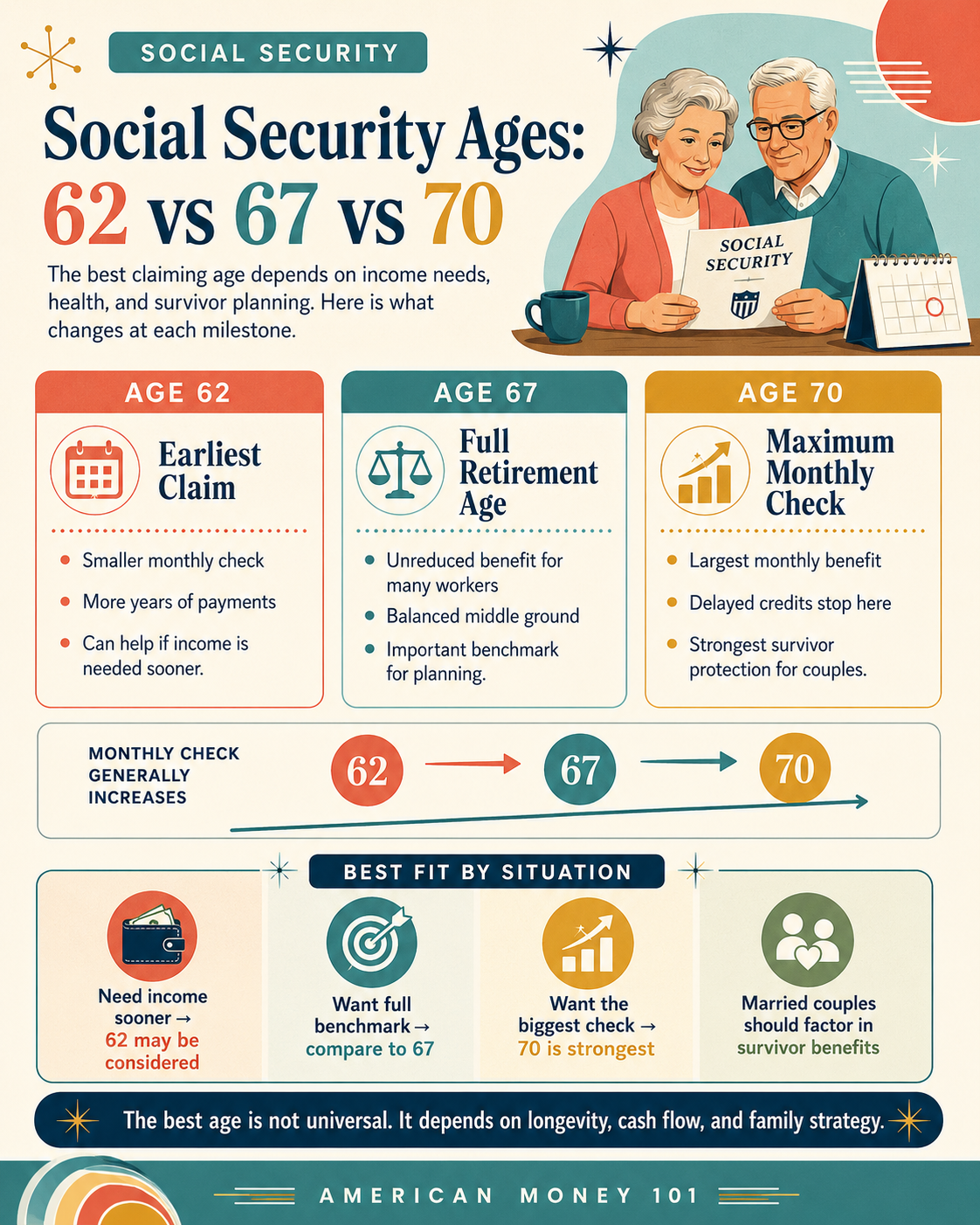
- Decide your Social Security strategy: Determine the optimal age to claim your benefits based on your health, marital status, and overall financial plan.
The five years before retirement may matter more than the first five years after. By taking these steps, you can transition into retirement with confidence and financial security.