What exact estate documents do you need to review regularly to keep your financial and end-of-life plan intact? Setting up an estate plan is a major financial milestone, but it is never a one-and-done task. To ensure your wishes are actually honored when the time comes, you need to review your core estate documents every three to five years, or immediately after a major life event.
Why Your Estate Plan Needs a Routine Checkup
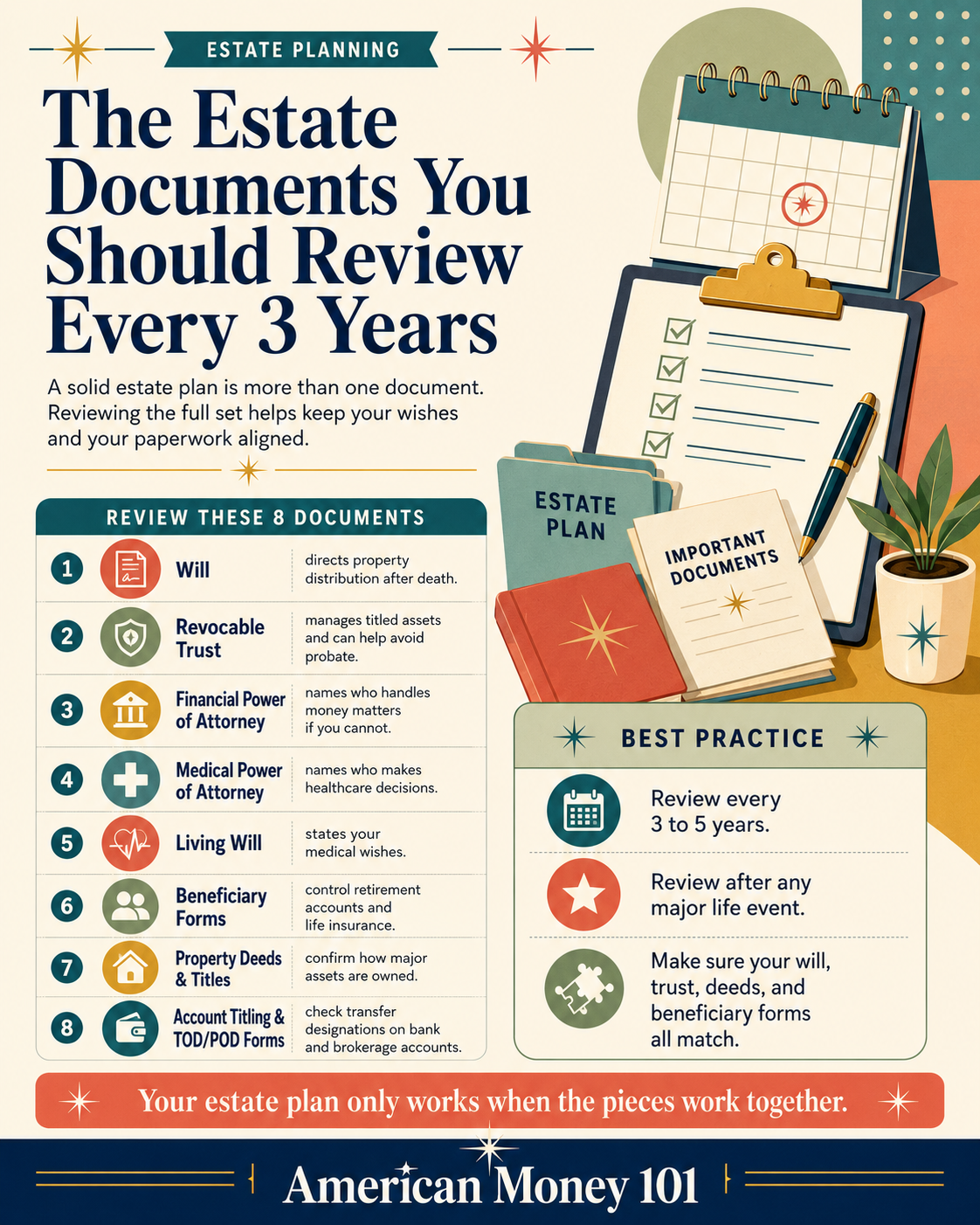
Your estate plan only works when all the pieces work together. You might think that once you sign your will, your legacy is secure. However, your life is constantly evolving, and your estate plan needs to keep pace. Financial professionals generally recommend reviewing your entire estate plan every three to five years. You should also pull these documents out after any major life event, such as a marriage, a divorce, the birth or adoption of a child, or the death of a loved one. Moving to a new state can also impact how your documents are interpreted under local laws.
During these reviews, your primary goal is to make sure your will, trust, property deeds, and beneficiary forms all match. If your will says one thing but your retirement account beneficiary form says another, the beneficiary form will almost always win. Conflicting documents can leave your family stuck in a legal morass, spending time and money to sort out your true intentions.
The Foundation: Your Will and Revocable Trust
When you sit down for your review, start with the foundational documents that dictate how your property is distributed.
- Will: A last will and testament directs your property distribution after death. It is also the document where you name guardians for your minor children. When reviewing your will, check that the executor you named is still willing and able to serve, and that your asset distribution still reflects your current wishes.
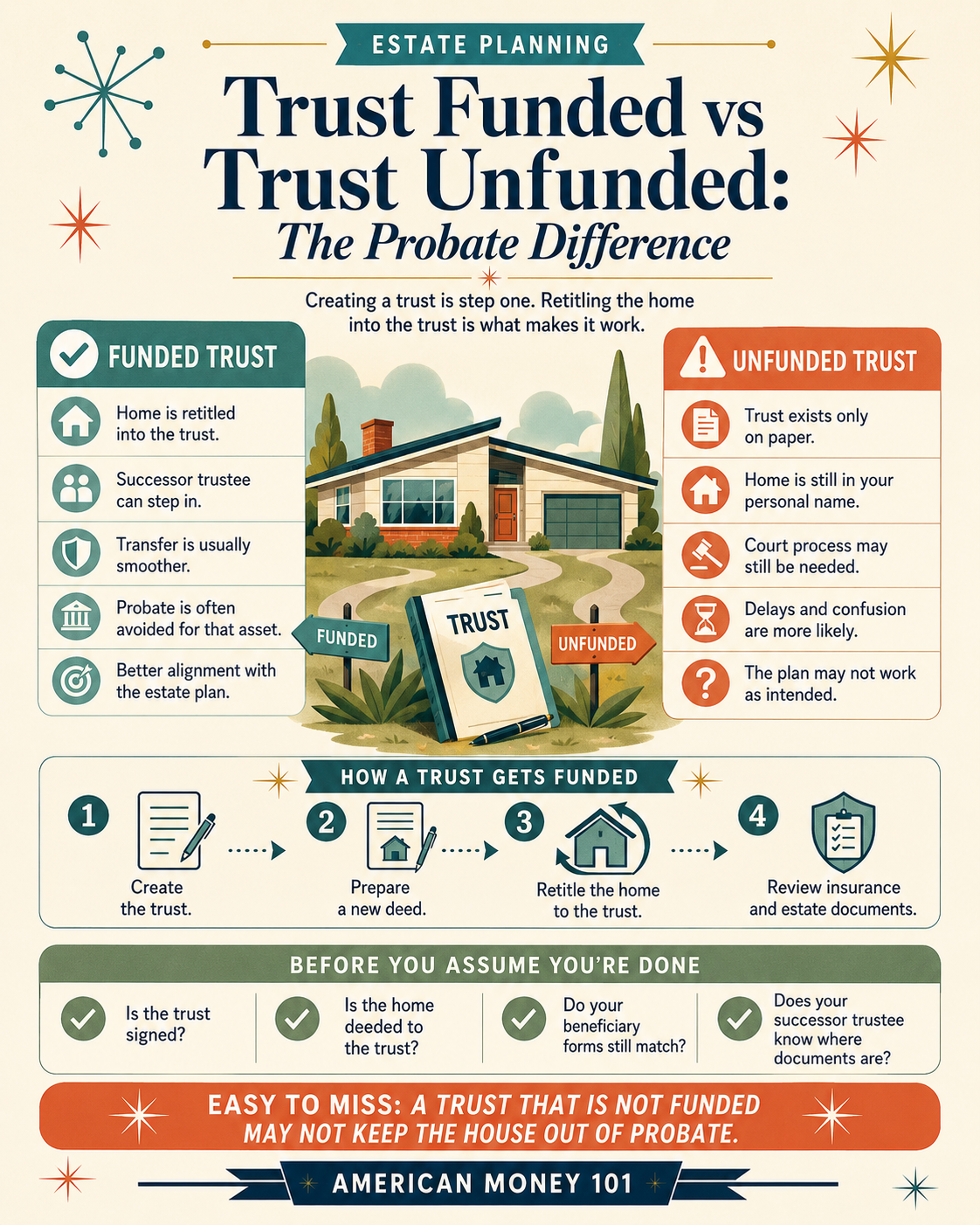
- Revocable Trust: A revocable living trust manages your titled assets and can help your heirs avoid the time and expense of probate court. You maintain control of the trust while you are alive. During your review, ensure that you have actually transferred your major assets into the trust—a process known as funding the trust. An empty trust serves no purpose.
Documents That Protect You While You Are Alive
Estate planning is not just about what happens after you pass away. It is equally important to have documents in place that protect you if you become incapacitated due to illness or injury.
- Financial Power of Attorney: This document names the person who handles your money matters if you cannot. They can pay your bills, manage your investments, and file your taxes. Check that your designated agent is still someone you trust implicitly with your finances.
- Medical Power of Attorney: Also known as a healthcare proxy, this names the person who makes healthcare decisions on your behalf when you are unable to communicate. Make sure your chosen representative understands your current values and medical preferences.
- Living Will: A living will states your medical wishes, specifically regarding life-sustaining treatments and end-of-life care. Medical technology and your own personal views may change over time, so verify that this document still accurately reflects what you would want in a critical medical situation.
The Forms That Override Your Will
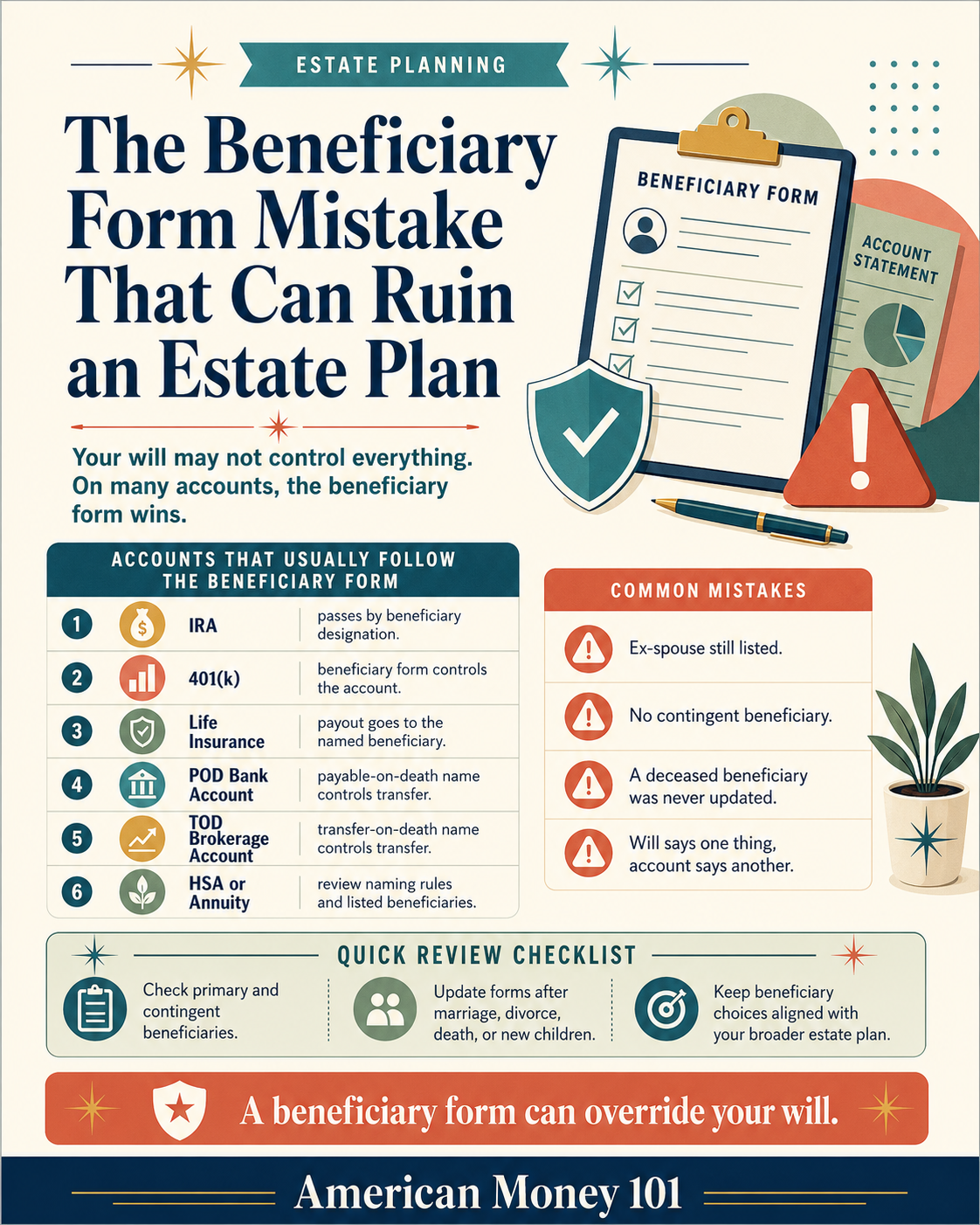
One of the most common and costly estate planning mistakes is forgetting to update beneficiary designations. Many people do not realize that beneficiary forms control who inherits your retirement accounts and life insurance policies, regardless of what your will says.
- Beneficiary Forms: These forms are held by the financial institutions that manage your 401(k), IRA, or life insurance policy. Because these assets pass directly to the named beneficiary outside of probate, the designation on file trumps your will.
If you named your sibling as the beneficiary of your life insurance policy a decade ago, but recently got married and updated your will to leave everything to your spouse, that life insurance payout will still go to your sibling unless you update the specific beneficiary form. Always name both primary and contingent (backup) beneficiaries, and verify these choices during your three-year review.
Ownership Records: Deeds, Titles, and TODs
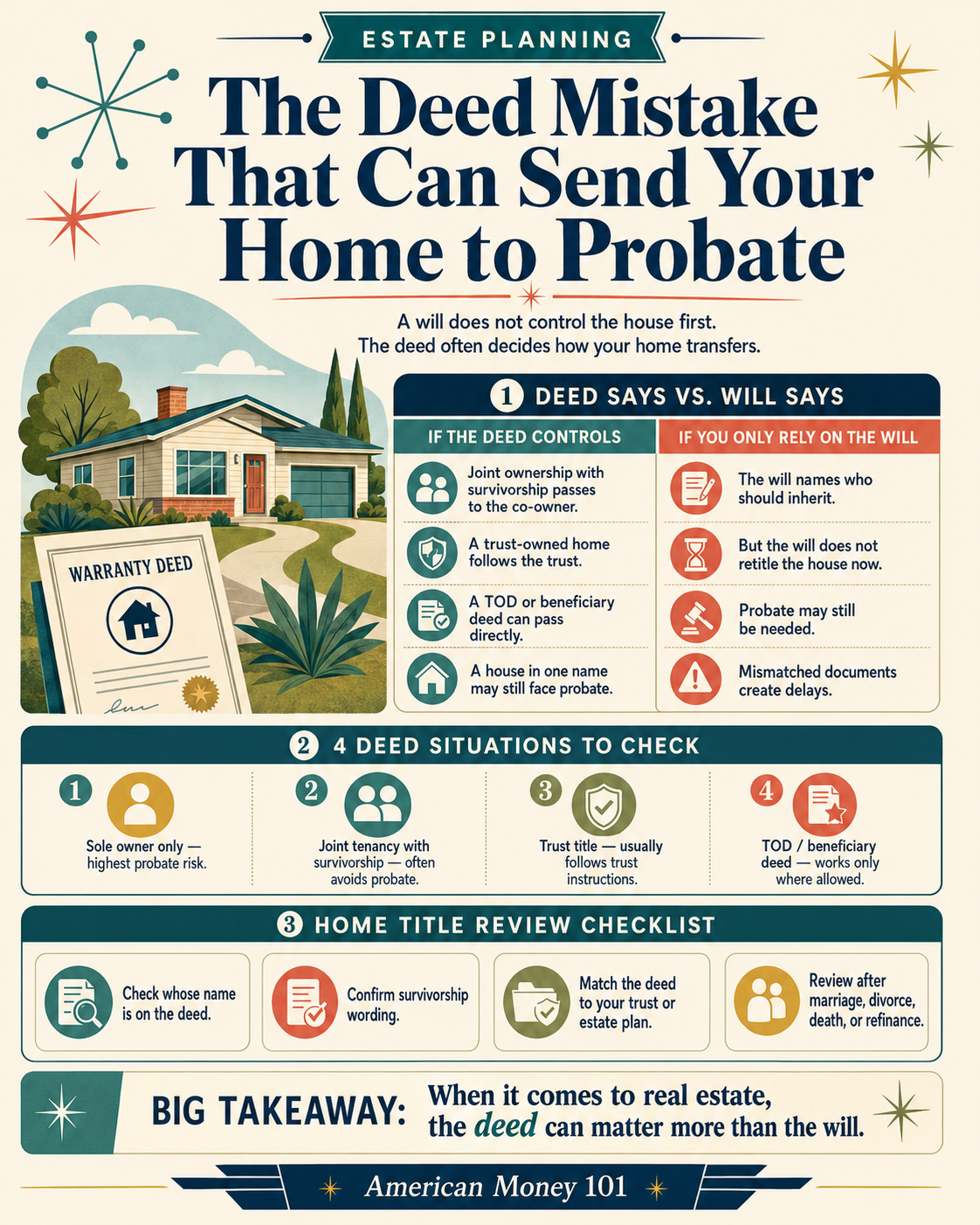
Finally, you must review how your everyday assets are titled. How you own a piece of property dictates how it transfers upon your death.
- Property Deeds and Titles: These documents confirm how major assets, like your home or vehicles, are owned. If you own a house jointly with rights of survivorship, it will automatically pass to the surviving owner. If you created a revocable trust, check your property deeds to ensure the real estate was properly retitled into the name of the trust.
- Account Titling and TOD/POD Forms: You can add Transfer on Death (TOD) or Payable on Death (POD) designations to your standard bank and brokerage accounts. Like a beneficiary form, a TOD or POD designation allows the money in that account to bypass probate and go directly to the person you named. Check these transfer designations on all your bank and brokerage accounts to ensure they align with your broader estate plan.
Taking the time to review these eight documents every three years ensures that your assets are protected, your family is provided for, and your final wishes are clearly understood.