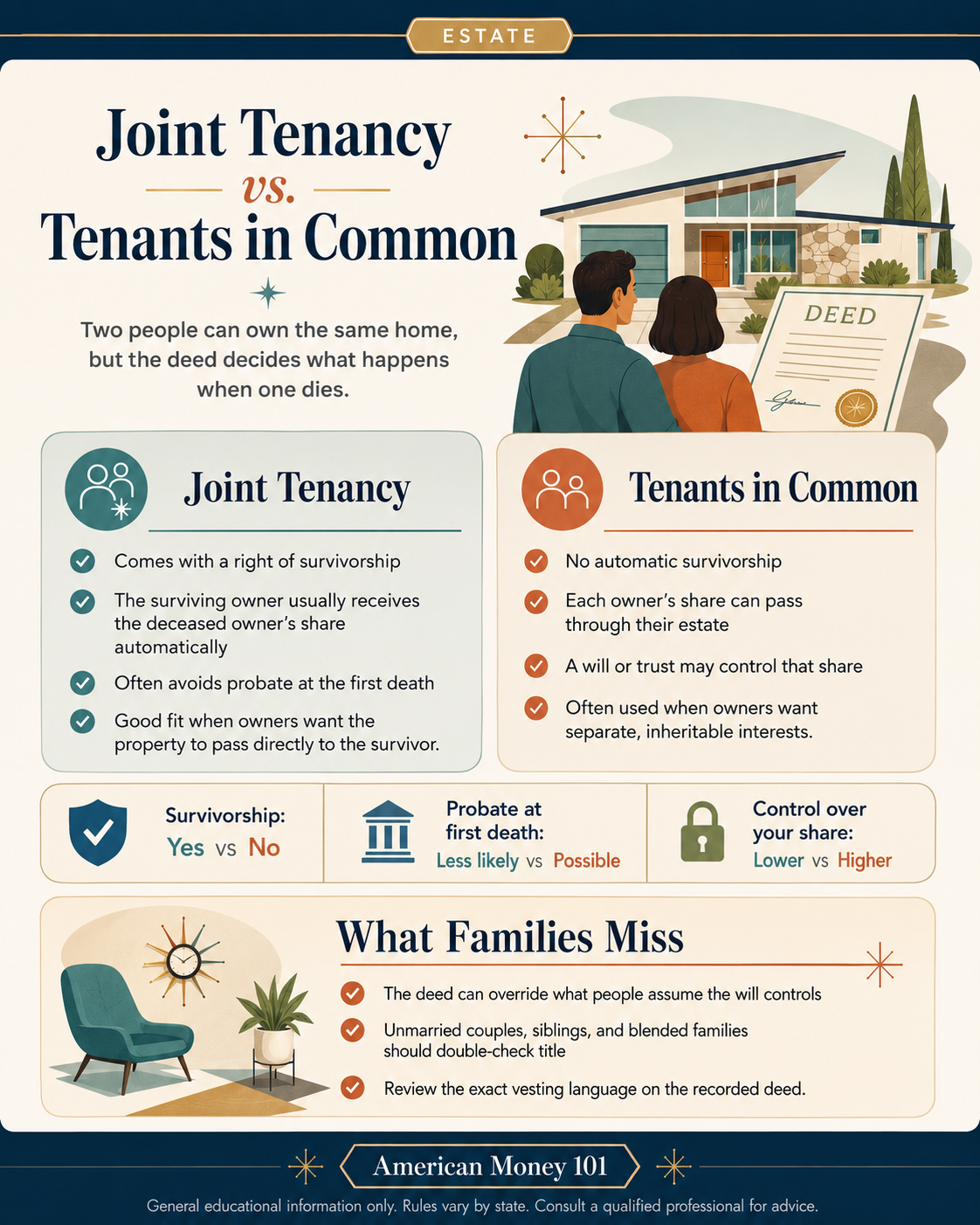
Inheriting a house can be both an emotional and financial challenge, especially when the property comes with a mortgage. If that mortgage happens to have a low interest rate, you have inherited a potentially valuable financial asset. The immediate question is how to handle the existing loan without losing the favorable terms or risking the property. Moving carefully before you refinance, sell, or let the loan slip is crucial to protecting your inheritance.
Your First Priority: Protect the Property
When a homeowner passes away, the mortgage does not disappear. The lender still expects to be paid, and the home remains collateral for the loan. Your absolute first priority is to ensure the property is protected from foreclosure and other risks.
- Keep payments current: Do not miss a payment. Even while the estate is being settled, the monthly mortgage bill must be paid to keep the loan in good standing.
- Protect homeowners insurance and taxes: Ensure that property taxes and homeowners insurance premiums continue to be paid. If these are paid through an escrow account, verify that the escrow has sufficient funds. If they are paid separately, you must manage these bills directly.
Call the Servicer: Establish Your Status
You cannot simply take over the mortgage by quietly making payments. You need to communicate with the company that manages the loan (the servicer). Federal rules provide specific protections for family members who inherit property, but you must take steps to invoke them.
- Ask to be treated as a successor in interest: A "successor in interest" is someone who has received an ownership interest in a property securing a mortgage. Federal law requires servicers to communicate with confirmed successors in interest and provide them with information about the loan.
- Ask what documents they need: The servicer will require proof of your identity and your legal right to the property. This typically includes a death certificate and documents showing the transfer of ownership, such as a will, trust document, or deed.
The First 30 Days: Getting Organized
The weeks following an inheritance are critical for gathering information and establishing communication with the lender. Follow these steps to get organized:
- Find the mortgage statement: Locate a recent statement to find the loan number, the servicer's contact information, the monthly payment amount, and the current interest rate.
- Gather the death certificate and transfer documents: You will need official copies of the death certificate and any legal documents proving your inheritance.
- Notify the servicer: Contact the servicer to inform them of the borrower's death and begin the successor in interest process.
- Confirm taxes and insurance are current: Verify that there are no outstanding tax liens or lapses in insurance coverage.
- Document every call and letter: Keep a detailed log of all communications with the servicer, including dates, times, the names of representatives you spoke with, and the information provided.
Before You Choose a Path: Evaluate Your Options
Once you have stabilized the situation and established communication with the servicer, you can begin to evaluate your long-term options. Do not rush into a decision.
- Compare keep, sell, rent, or refinance: Consider all possibilities. Does it make sense to live in the home, rent it out for income, sell it and split the proceeds, or refinance to buy out other heirs?
- Review the current rate and monthly payment: If the inherited mortgage has a very low interest rate, assuming the loan (taking over the existing terms) might be highly advantageous compared to refinancing at current, potentially higher rates.
- Estimate repairs and carrying costs: Factor in the cost of any necessary repairs, ongoing maintenance, property taxes, and insurance when deciding if you can afford to keep the home.
- Coordinate with other heirs if there are any: If you inherited the property with siblings or other relatives, you must reach an agreement on how to proceed. This might involve one heir buying out the others or selling the property and dividing the proceeds.
Do This First: Key Reminders
Federal mortgage rules may help certain heirs manage the existing loan, but payments still must be made. Keep these final reminders in mind:
- Don't miss a payment: Late payments can lead to fees, damage to the estate's credit, and eventually foreclosure.
- Don't rush into refinancing: Refinancing replaces the old loan with a new one, usually at current market rates. If the existing rate is low, you may lose a significant financial benefit.
- Don't ignore paperwork from the servicer: Respond promptly to any requests for information or documentation from the mortgage company.
- Don't decide until you run the numbers: Carefully calculate the costs and benefits of each option before making a final decision about the property's future.